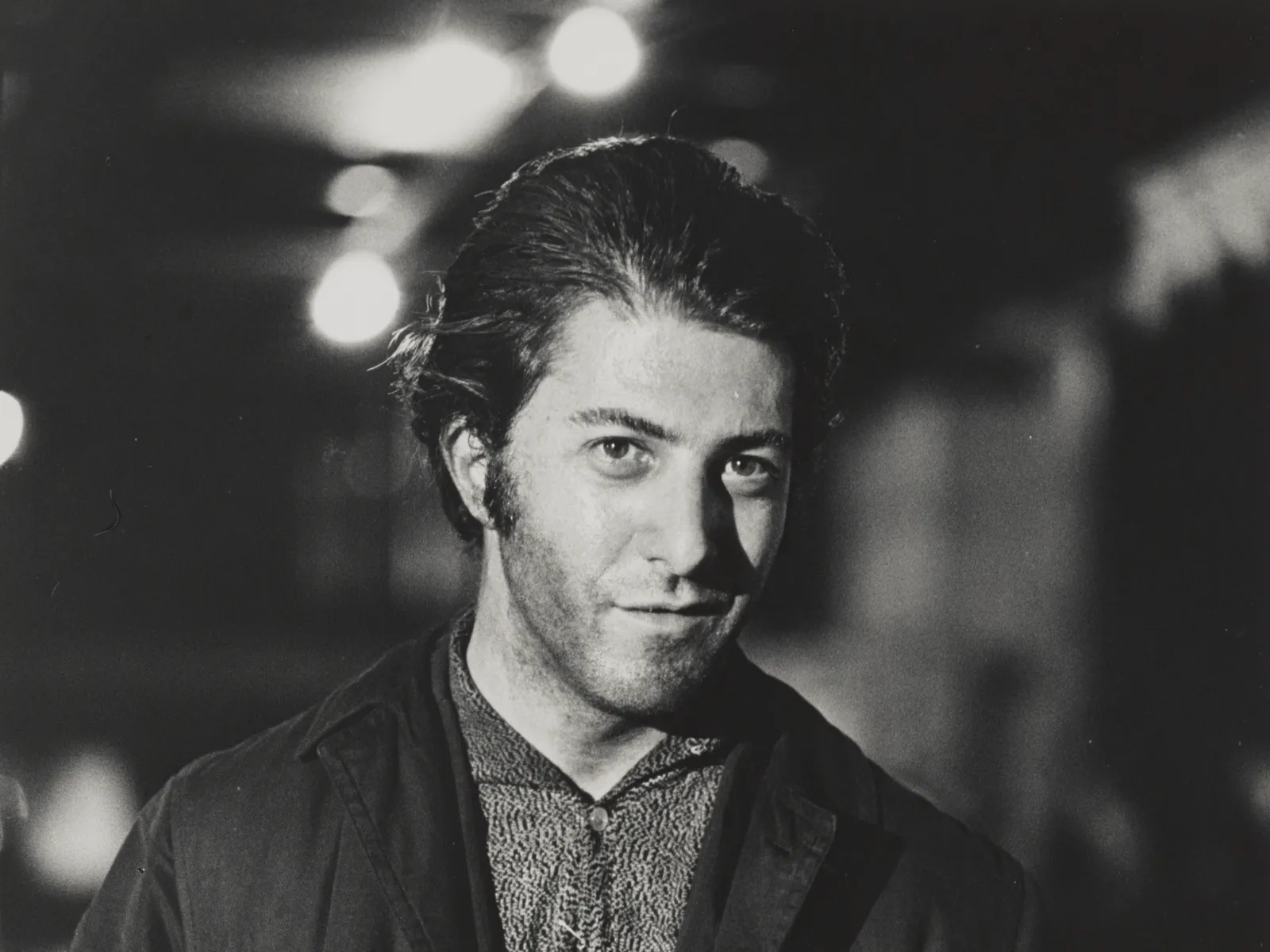
The Dustin Hoffman memoir Look at Me reveals he took home just $3,000 from The Graduate, went on unemployment, and was once held at gunpoint.
Key Facts
- What happened: Dustin Hoffman released his memoir, Look at Me, on Tuesday, November 10, 2026. He wrote it with journalist Ariel Levy.
- Biggest revelation: Hoffman says he took home just $3,000 from The Graduate after expenses, then went on unemployment benefits.
- Other revelations: He was once held at gunpoint during an affair with a married woman, and he revisited a past bladder cancer battle.
- His age: Hoffman is 89. He has won two Academy Awards, for Kramer vs. Kramer and Rain Man.
The Dustin Hoffman memoir landed on Tuesday, and it is already one of the most talked-about celebrity books of the year. Look at Me, written with journalist Ariel Levy, covers seven decades in Hollywood, from a broke young actor in New York to a two-time Oscar winner. However, the headlines so far are not about the awards. Instead, they are about the money he did not make, the director he feared, and the night he thought he was going to die.
Why Was Dustin Hoffman Broke After The Graduate?
The Graduate made Dustin Hoffman famous in 1967, but it did not make him rich. In fact, he writes that he took home only $3,000 from the film after paying his expenses. He even had to pay his own way to Los Angeles for the shoot.
“I couldn’t go out in the street without people coming up to touch me and ask for my autograph, but I was still basically broke,” he writes in the memoir. When the money ran out, he went on unemployment. He told Conan O’Brien that the benefit check was about $55 at most.
His time on benefits did not last long. Life magazine photographed him waiting in line at the unemployment office, and the picture put him in an impossible spot. “I could never go back in there again,” he writes. “I was embarrassed by the dirty looks from other people standing in line who needed the money and assumed I didn’t.”
The story is a sharp reminder that fame and money do not always arrive together. In other words, the most famous face in America in 1968 was also standing in line for a benefits check. For more stories of stars who struggled before fame, read our guide to celebrities’ real jobs before they were famous.
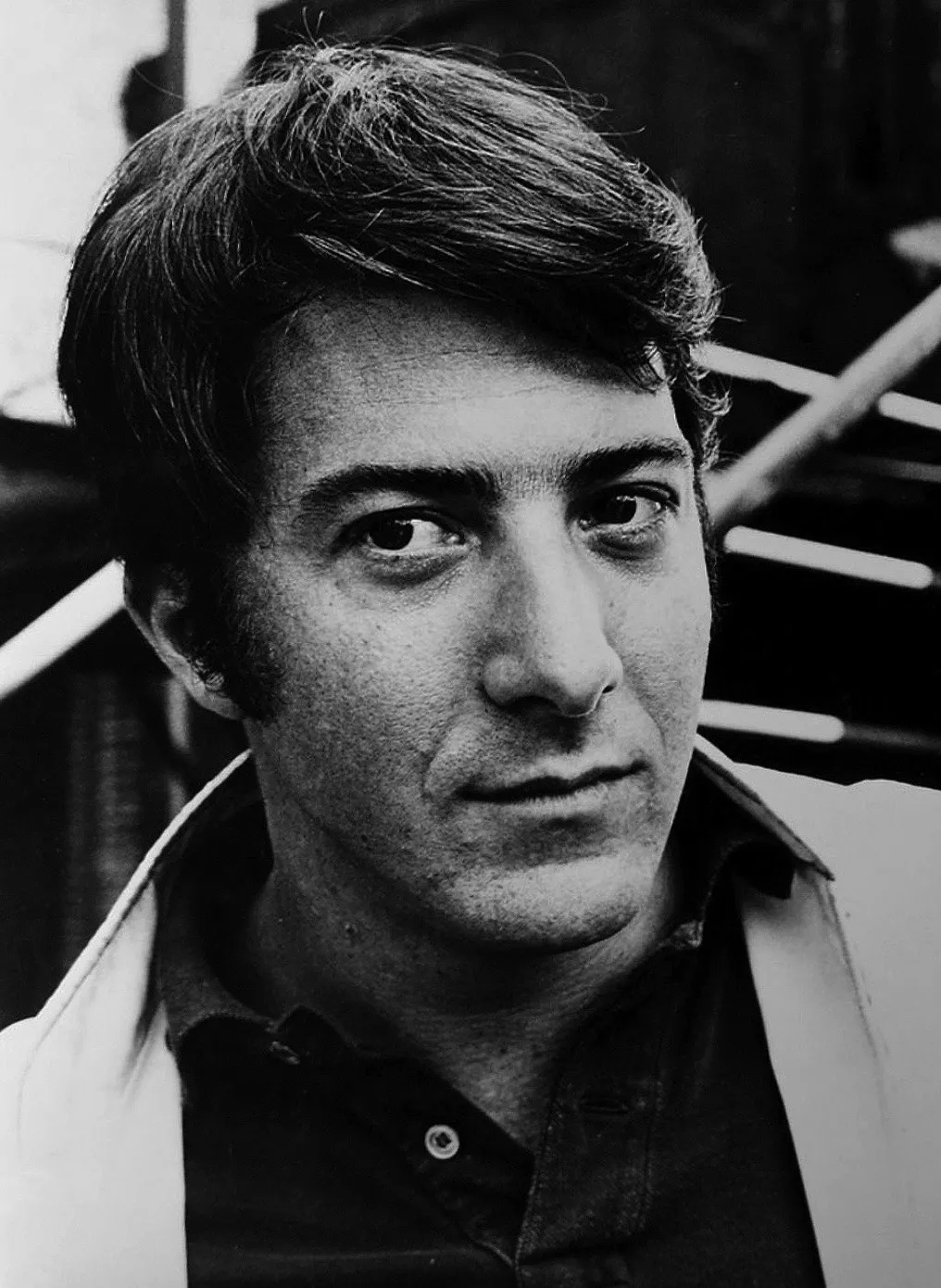
What Else Does the Dustin Hoffman Memoir Reveal?
The money story is only the start. Hoffman also writes that making The Graduate was “a terrible experience,” even though it changed his life. He says he often felt he was about to be fired, because director Mike Nichols became “an entirely different person” once filming began.
“The whole time, I felt Mike was angry at me, either because I was doing something wrong or because he had realized what everybody else already knew, that he had miscast the lead in his film,” Hoffman writes. In the novel, Benjamin Braddock is described as a 6-foot-2 track star, and Hoffman is neither tall nor athletic. In addition, the Daily Mail reports that co-star Katharine Ross slapped him 27 times during one scene, at Nichols’ instruction.
Then came the most shocking story of the press tour. On the November 9 episode of Conan O’Brien Needs a Friend, Hoffman said that during his “youth youth” he had an affair with a married woman. One night, he said, her husband woke up, found him in the bed, and held him at gunpoint. “I’m gonna die,” he recalled thinking. He did not identify the woman or her husband, and he gave no date or place, so the account should be read as his own memory rather than a documented event.
Despite the tension on set, The Graduate became a classic. It earned seven Oscar nominations at the 1968 Academy Awards, including Best Picture. Nichols won Best Director, while Hoffman, Anne Bancroft, and Katharine Ross each earned acting nominations. Like Hoffman’s first big break, other stars’ early roles were far from glamorous — see our look at Heath Ledger’s forgotten first starring role in Roar.
Dustin Hoffman’s Early Years: Roommates, $80 Rent, and Two Future Legends
Long before the Oscars, Hoffman shared a top-floor apartment in Spanish Harlem for $80 a month. His roommates were two unknown actors at the time: Gene Hackman and Robert Duvall. Both later became screen legends in their own right.
Hoffman writes that he “was so frightened of New York” when he arrived. The three young actors filled their nights with “pizza, unemployed actors, candles in chianti bottles,” according to an excerpt from the book. Duvall died in February 2026 at age 95, and we remembered him in our tribute to the celebrities we lost in 2026.
Dustin Hoffman Memoir Timeline: From The Graduate to Look at Me
| Year | What happened |
|---|---|
| 1967 | The Graduate makes Hoffman a star; he takes home just $3,000 after expenses |
| 1968 | The Graduate earns seven Oscar nominations; Hoffman gets his first Best Actor nod |
| 1969 | Midnight Cowboy follows; Hoffman demands double his previous fee |
| 1979 | Wins his first Oscar for Kramer vs. Kramer |
| 1988 | Wins his second Oscar for Rain Man |
| 2013 | Undergoes treatment for bladder cancer; later described as surgically cured |
| Oct 31, 2026 | The New Yorker publishes a memoir excerpt about the “terrible experience” of making The Graduate |
| Nov 9, 2026 | Tells Conan O’Brien the gunpoint story from his youth |
| Nov 10, 2026 | Look at Me is published; Hoffman appears on Today |
What Did Dustin Hoffman Say About His Health and Memory?
Hoffman also used the press tour to revisit a health battle from years ago. In part two of his Conan O’Brien interview, released November 11, he spoke about his previous bladder cancer diagnosis and treatment. To be clear, this is a retrospective account, not a report of a new diagnosis in 2026. He was treated for bladder cancer in 2013 and was later described as surgically cured.
Looking back has not been easy for him. On Today on November 10, the day the book came out, he told Jenna Bush Hager that reviewing his life and career for the memoir was painful. “I have no memory of it,” he said, adding that his wife Lisa often has to remind him about his own past.
What’s Next for Dustin Hoffman?
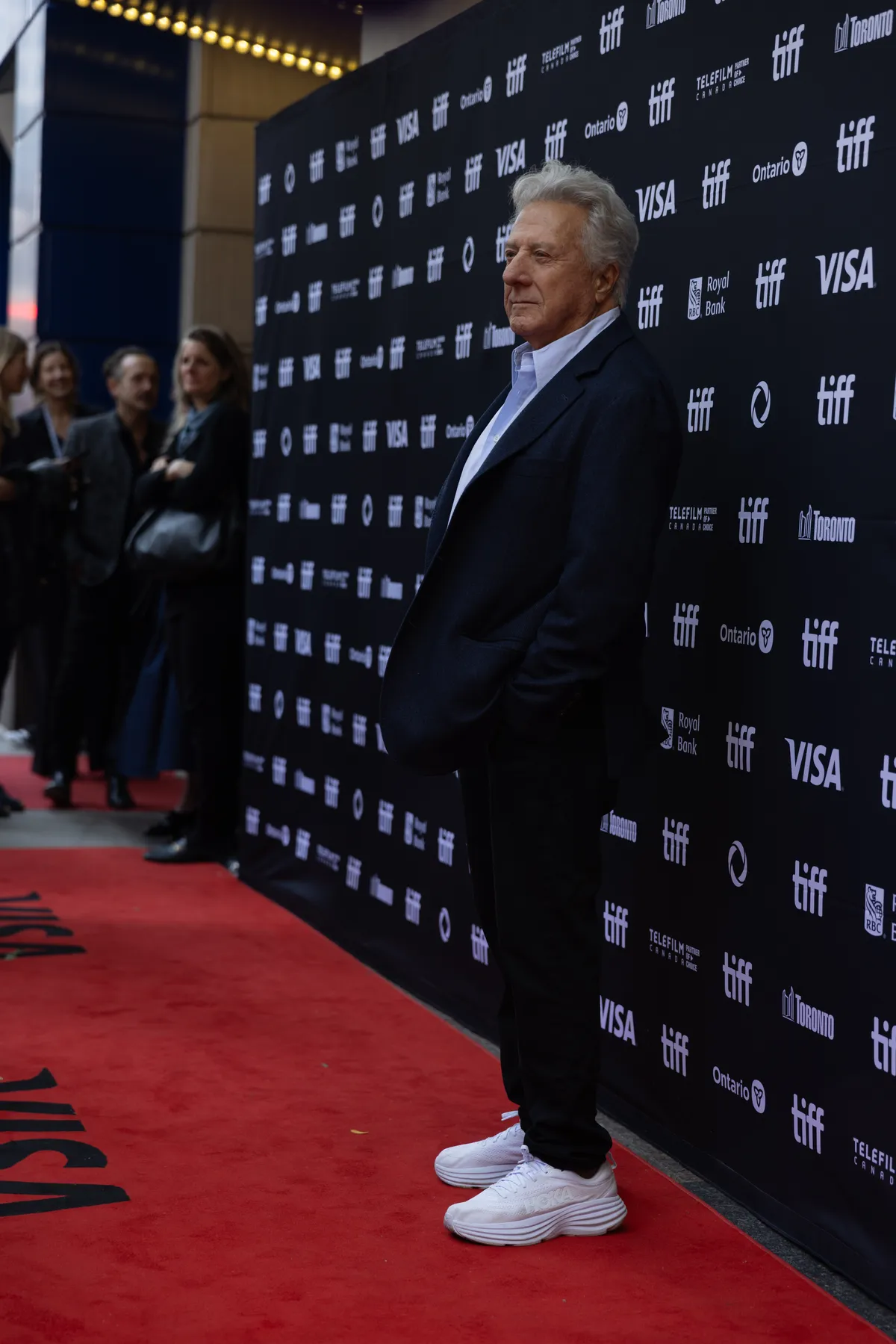
Hoffman is still working at 89. He appeared this year in the indie film Tuner and at the Tribeca premiere of The Revisionist, and the memoir tour continues with more interviews this week. Early reviews have been mixed, with Kirkus giving the book a starred notice and The New York Times far less impressed.
One detail from the memoir points to how Hoffman finally fixed his money problem. After The Graduate, he landed his next role as Ratso Rizzo in Midnight Cowboy and demanded double his fee, “just for the hell of it.” It worked. From $3,000 and an unemployment line to two Oscars and a seven-decade career, the Dustin Hoffman memoir shows how far a miscast 29-year-old really came. For another legend making headlines this week, read our report on the Phil Collins death hoax and his Rock Hall induction.
Sources
- Hello Magazine — Dustin Hoffman reveals he was ‘basically broke’ after The Graduate and went on unemployment
- The Blast — Dustin Hoffman recalls being ‘basically broke’ amid The Graduate buzz
- Realtor.com — Dustin Hoffman recalls being held at gunpoint and early NYC days with Robert Duvall and Gene Hackman
- People — Reporting on Hoffman’s Today appearance and the Conan O’Brien gunpoint story
- The New York Times — “Dustin Hoffman Thought He’d Be a Nobody” and review of Look at Me
- The New Yorker — Memoir excerpt on making The Graduate (October 31, 2026)