
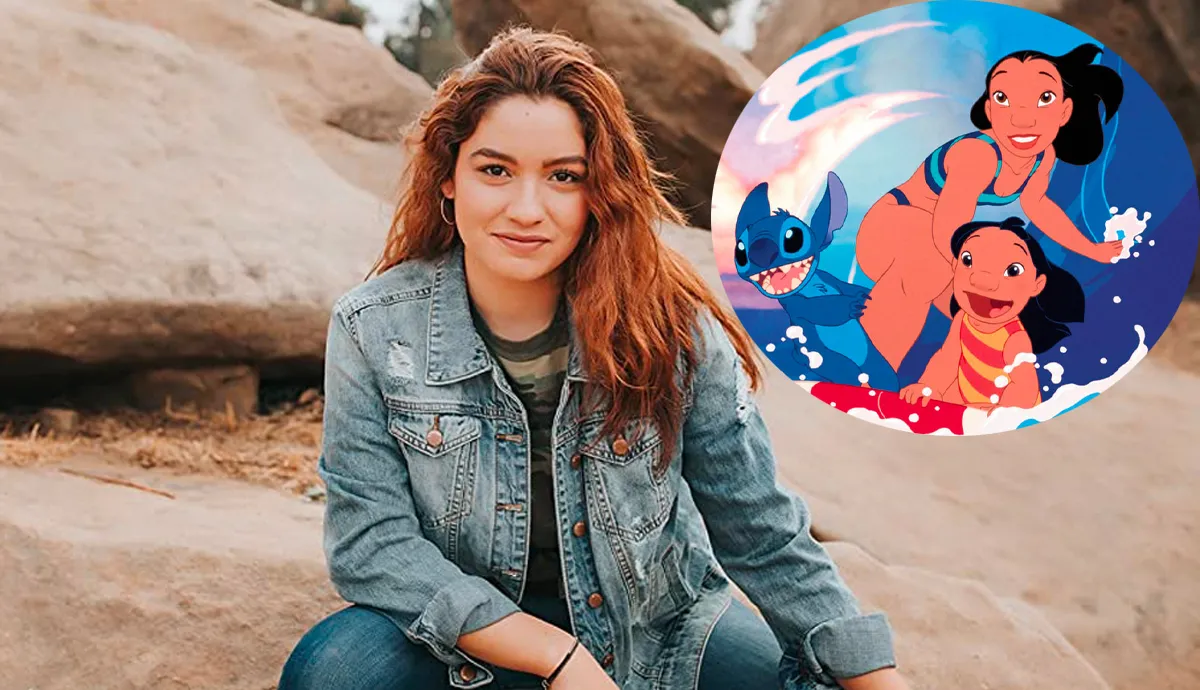
Sydney Agudong, an American actress and singer, is of Caucasian, Filipino, and Polynesian descent.
Critics have raised concerns about her casting as Nani in Lilo & Stitch, alleging that the production used a spray tan or similar makeup to darken her skin, potentially obscuring the fact that a mixed-race actress was cast to play an Indigenous Hawaiian character.
Agudong grew up immersed in theater, talent shows, and pageants, even earning the title of 2010 Miss Hawaii Preteen.
Her passion for performance led her to audition for acting roles in Los Angeles, where she eventually moved after graduating from high school in 2018.
Her early roles included the low-budget film West Michigan and a guest appearance in the final season of On My Block. She gained further recognition in the web series Find Millie Martin.
She also starred as Savannah in At Her Feet, an adventure film shot in Hawai’i Volcanoes National Park. Other credits include appearances in NCIS and Infamously in Love.
Her most significant role yet came in 2025, when she was cast as Nani Pelekai in Disney’s live-action adaptation of Lilo & Stitch. Interestingly, both Agudong and her sister were finalists for the role.
Beyond acting, Agudong is also a musician under the persona Jayne Doe. Her debut single, “Welcome to Hollywood,” reflects her journey chasing dreams in the entertainment industry.
Sydney Agudong Ethnicity: The Backlash Over Her Casting In Lilo & Stitch
In 2023, the announcement that Sydney Agudong would play Nani in Disney’s live-action remake of Lilo & Stitch sparked controversy, reigniting discussions about colorism and authentic representation in Hollywood.
Many fans questioned whether Agudong, who has lighter skin, was the right choice for the role, arguing that it should have been given to a darker-skinned Native Hawaiian actress to better reflect the character’s heritage.
Nani’s Native Hawaiian identity is central to the original film, which highlights Hawaiian culture, struggles with economic hardship, and even features the song Aloha ‘Oe, written by Queen Lili’uokalani after the overthrow of the Hawaiian Kingdom.
Given this cultural significance, fans expected Disney to prioritize casting an Indigenous Hawaiian actress.
However, confusion arose over Agudong’s background. While press releases described her as a “Hawaii native,” some viewers could not find verified evidence of Native Hawaiian ancestry in public records.
Instead, her sister, Siena Agudong, once stated in a 2019 interview that their family is of Caucasian, Filipino, and Polynesian descent.
However, Polynesian is a broad term that includes many Pacific Island groups, not just Native Hawaiians.
The backlash extended beyond ethnicity to the issue of colorism, the preference for lighter-skinned actors in roles representing communities where darker skin is more common.
Critics argued that casting a lighter-skinned actress for Nani perpetuated Hollywood’s history of sidelining darker-skinned Indigenous and Pacific Islander performers.
While Agudong’s talent is undeniable, the controversy highlights ongoing tensions in Hollywood over who has the authority to tell certain stories and whether casting choices align with the cultural authenticity that audiences demand.
Disney has faced similar criticism in the past, such as The Little Mermaid, making this yet another chapter in the broader conversation about representation in media.


