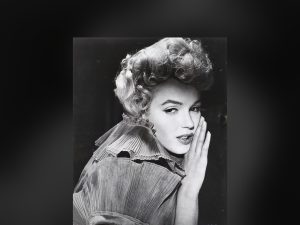
The red carpet is fashion’s biggest stage. In fact, these iconic red carpet looks by decade prove one outfit can outlast its ceremony. The most memorable looks share one trait, from Audrey Hepburn’s 1954 floral gown to Zendaya’s cropped Valentino in 2022. Each one, moreover, captured the cultural mood of its moment. In this timeline: eight decades of red carpet history — the designers, the controversies, and the afterlives of era-defining outfits.
Some won praise on the night; others landed on worst-dressed lists before history reversed the verdict. So let’s rewind the tape, decade by decade.
Iconic Red Carpet Looks by Decade: The Full Timeline, 1950s to 2020s
First, a quick note on our picks. Each moment, though, had to do more than photograph well. It had to shift the conversation through design, daring, or shock value. As a result, this list skips many beautiful gowns in favor of outfits people still argue about.
The 1950s: Hollywood’s Golden Glamour
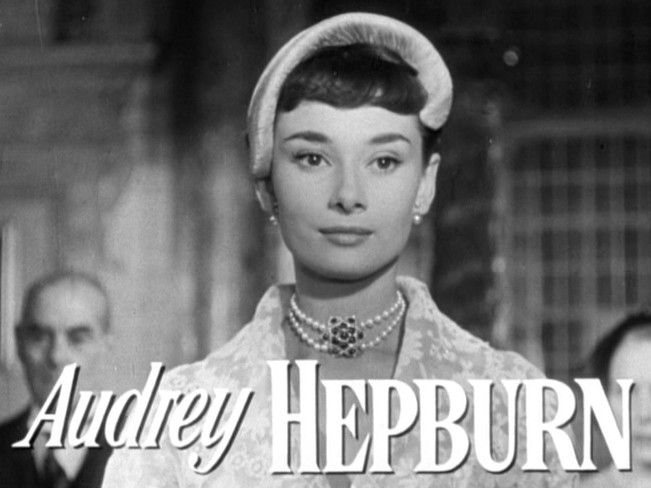
The 1950s invented the modern Oscars red carpet. Two gowns from the middle of the decade still anchor every best-dressed debate. Few iconic red carpet looks by decade get referenced as often. Both belonged to Best Actress winners.
First came Audrey Hepburn at the 26th Academy Awards on March 25, 1954. The 24-year-old won Best Actress for Roman Holiday. She wore a white floral organdy dress with a bateau neckline and cinched belt. She later called it her “lucky” dress. Its authorship carries a famous wrinkle. The world credits Hubert de Givenchy; the night marked her first major public appearance in his work. Yet fashion historians note the dress began as an Edith Head design for Roman Holiday‘s closing scene. Givenchy’s influence shaped the version she wore. Either way, Time later voted it the greatest Oscar dress of all time. It sold at auction in 2011 for over $130,000.
A year later, Grace Kelly answered with the gown many historians rank even higher. At the 27th Oscars on March 30, 1955, she accepted Best Actress for The Country Girl. Her ice-blue silk satin gown came from Edith Head — a Hollywood studio costume designer, not a Paris house. Head had made it for the film’s New York premiere months earlier. Its $4,000 bolt of French silk made it the priciest Oscar dress of its day. Head called the shade “blue champagne.” Remarkably, Kelly wore it three times in public. It appeared at the premiere, the Oscars, and on the cover of Life that April. Together, Hepburn and Kelly wrote the template for modern red carpet dressing.
The 1960s: Barbra’s Sheer Rebellion
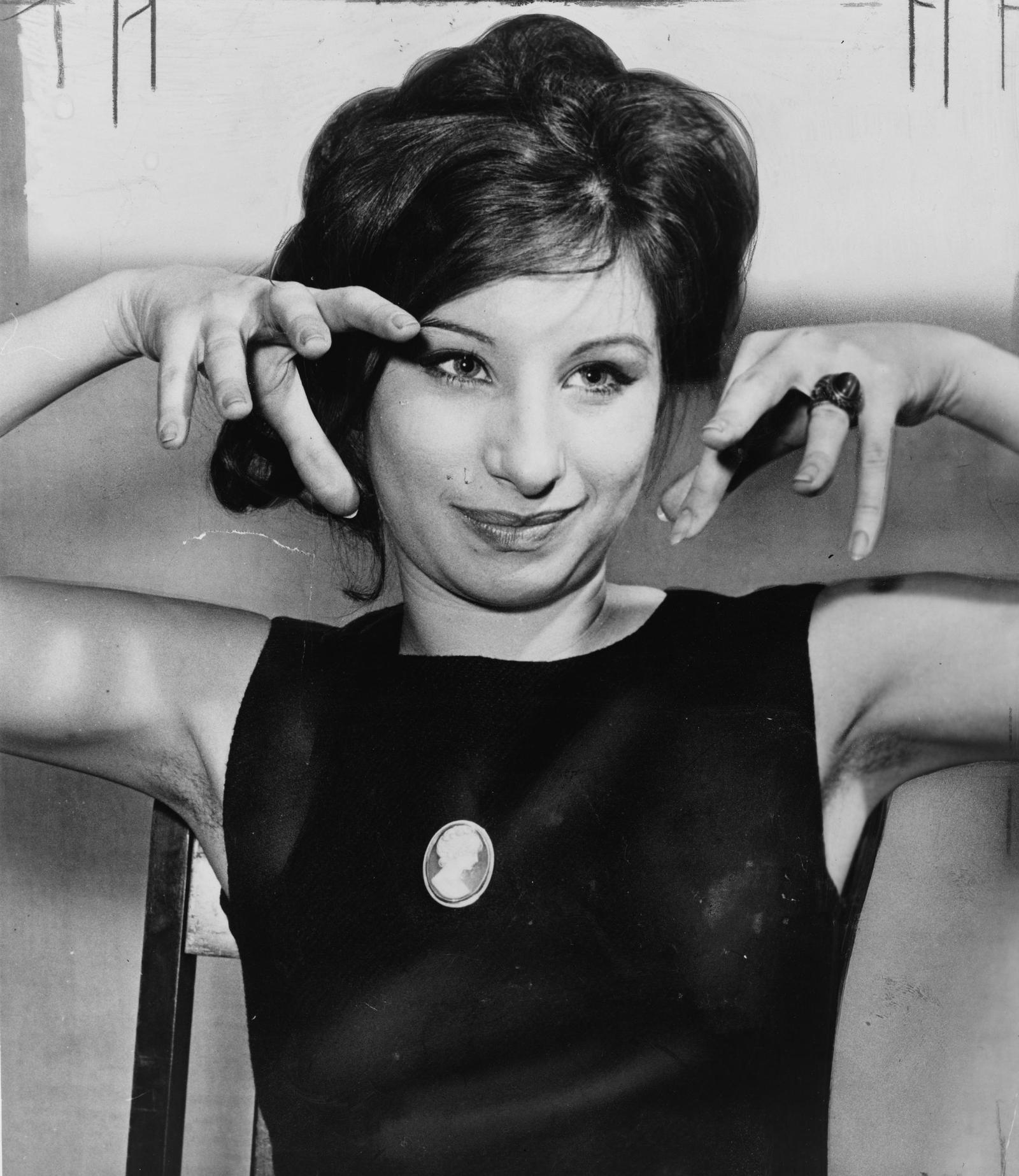
While the 1950s were about polish, the 1960s ended with a glorious act of defiance. It remains one of the most daring entries among iconic red carpet looks by decade. It happened on a night already bound for the history books.
On April 14, 1969, at the 41st Academy Awards, Barbra Streisand won Best Actress for Funny Girl. She tied with Katharine Hepburn for The Lion in Winter — only the second acting tie in Oscars history. A visibly stunned Ingrid Bergman presented the award. Then Streisand took the stage in an outfit nobody expected. Her sheer black sequined Arnold Scaasi pantsuit had bell-bottoms flaring like a trumpet skirt.
Scaasi had lined the piece in flesh-colored marquisette with a white collar, cuffs, and a black satin bow. Under the stage lights, though, the sheer fabric turned nearly transparent. Streisand reportedly had no idea how revealing it would read on television. Scaasi later called the outfit insouciant — “nothing overtly sexual” about it. Critics howled, yet the look only burnished her legend — a star dressing for herself, not the room.
The 1970s: Cher’s Naked-Dress Era
No star owned 1970s red carpet daring like Cher, thanks to the most important collaborator of her career. Cher met Bob Mackie in the late 1960s at 19. Their collaboration at one point produced 20 outfits per episode of The Sonny & Cher Show.
Their defining red carpet statement landed at the 1974 Met Gala: a sheer, feathered, nearly nude Mackie gown. It left little to the imagination and everything to the craftsmanship. The Time cover turned the “naked dress” from a stunt into a legitimate red carpet category. She doubled down with another transparent Mackie creation at the 1975 Met Gala.
Traditionalists were shocked. In retrospect, however, it looks like a masterclass in control. Cher understood that sheerness, done with precise beading and fearless posture, reads as power rather than exposure. Every sheer red carpet moment since descends from those two Met Gala appearances.
The 1980s: Fashion as Revenge
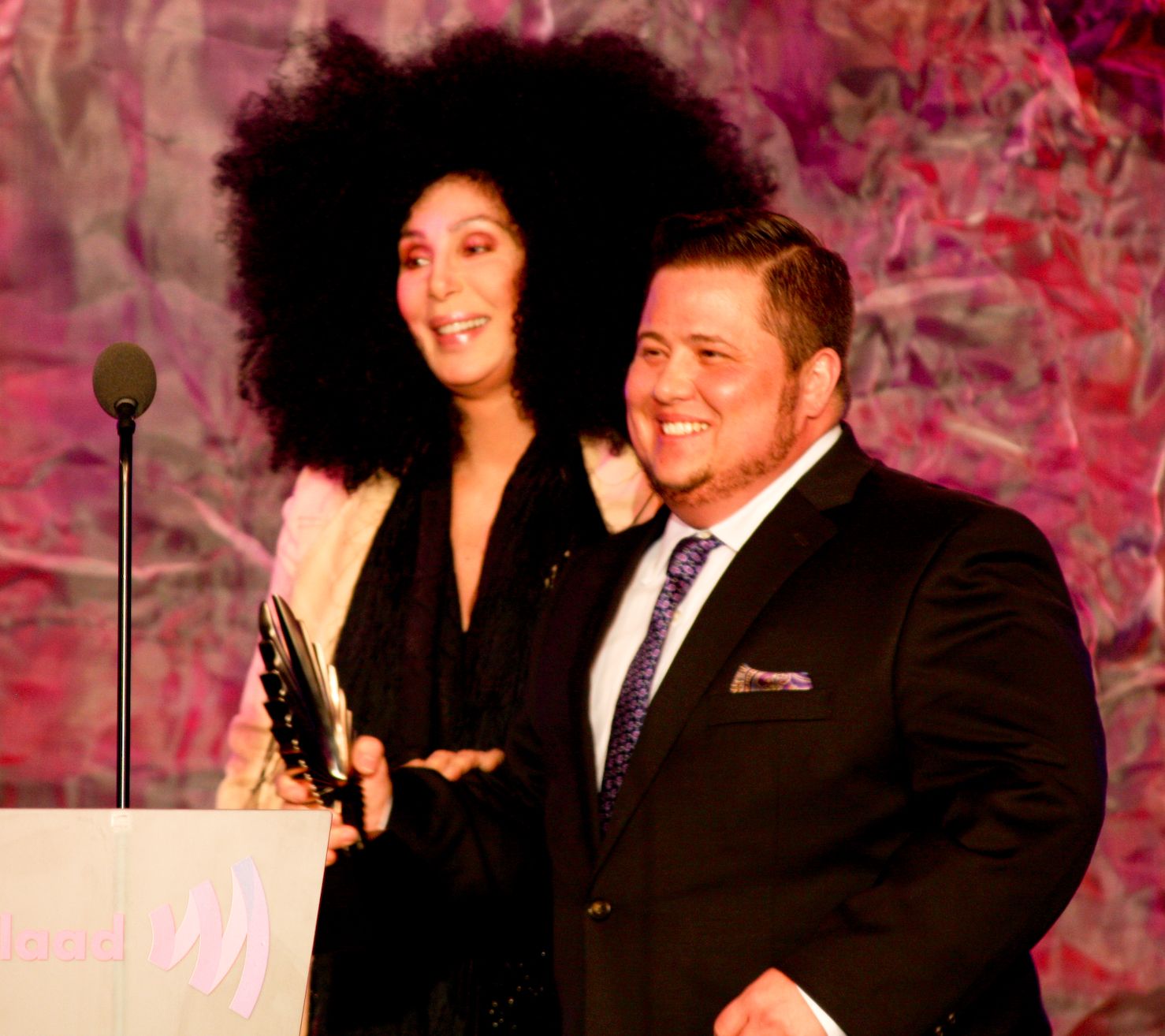
The 1980s, however, brought Cher back to the Oscars with a chip on her shoulder and a headdress the size of a chandelier. The Academy had snubbed her 1985 performance in Mask for a Best Actress nomination. So at the 58th Academy Awards in 1986, she arrived to present Best Supporting Actor. Mackie’s creation was his most confrontational yet: a black jewel-encrusted bralette, a low-rise sequined skirt, a cashmere shawl, and a towering feathered headdress.
She later told Vogue that, in fact, the Academy “didn’t really like me” — they disliked how she dressed and dismissed her as unserious. So she gave them exactly what they claimed to hate, only more so. Onstage she delivered a line that entered Oscars lore. “As you can see, I did receive my Academy booklet on how to dress like a serious actress.” Mackie had hesitated. He warned her it wasn’t what one wore to the Oscars. Cher didn’t want to look like, in her words, a housewife in an evening gown.
The revenge worked. The look dominated next-day headlines worldwide. Two years later, Cher returned to win Best Actress for Moonstruck in yet another sheer Mackie gown. Her decades of red carpet reinvention also feed the endless fascination with celebrity plastic surgery transformations. When a star treats her image as an evolving art project, audiences follow every chapter.
The 1990s: The High-Low Revolution
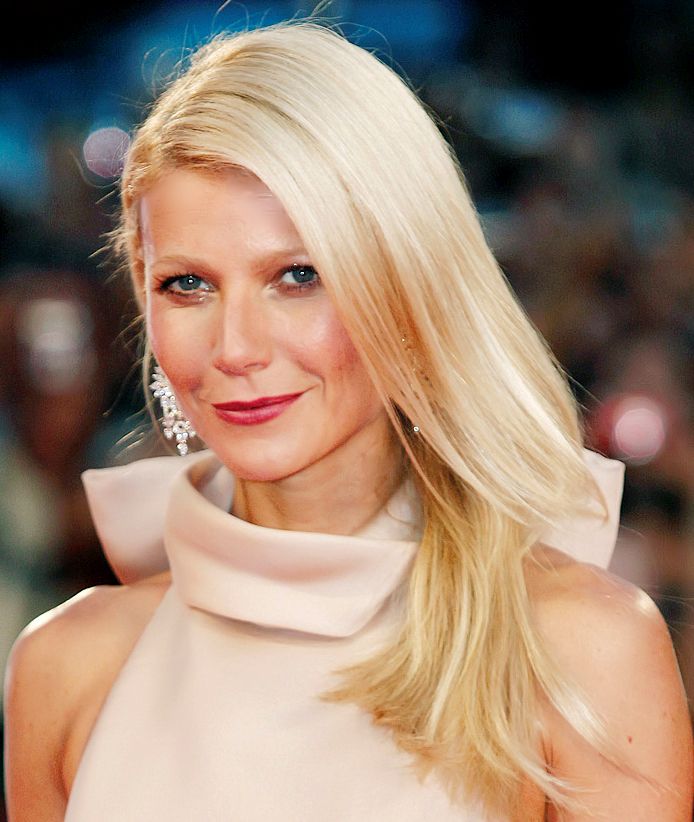
The 1990s, in contrast, broke the rule that the Oscars demanded head-to-toe couture. Stone’s white shirt rewrote the rules for iconic red carpet looks by decade. It proved a red carpet could mix a mall brand with a maison and still make history.
At the 70th Academy Awards in 1998, Sharon Stone wore a plain white Gap dress shirt. She rolled the sleeves and tucked it into a ruched Vera Wang satin skirt. Two years earlier, a delivery mishap had forced a similar improvisation: a Gap turtleneck under an Armani tuxedo jacket. Tabloids called the 1998 look inappropriate for Hollywood’s biggest night. Today it ranks among the smartest red carpet decisions ever. It blended masculine and feminine, high street and high fashion.
A year later, the pendulum swung back to fairy tale. At the 71st Oscars in 1999, Gwyneth Paltrow won Best Actress for Shakespeare in Love in a pale pink Ralph Lauren gown. Its princess minimalism sparked a wave of blush-toned evening wear that lasted years. (For more fashion-as-fantasy, see our ranking of the most expensive celebrity weddings of all time.) Between Stone’s rule-breaking and Paltrow’s romanticism, the decade proved the red carpet could hold two opposite ideas at once.
The 2000s: When the Internet Took Over

Then the 2000s moved the red carpet’s center of gravity from the auditorium to the search bar — where, suddenly, a dress could change technology itself.
The dress that built Google Images
At the 42nd Grammy Awards in February 2000, Jennifer Lopez wore a plunging green jungle-print Versace gown. Donatella Versace designed it. The neckline plunged past her navel. The print screamed. The world lost its mind. It became the most-searched query Google had ever seen. Yet Google had no good way to show people a picture of it. Ex-CEO Eric Schmidt later wrote that “Google Image Search was born” from that failure, and Google’s own engineers confirmed it. Lopez has joked since that Google owes her a check. She nearly skipped the dress — her stylist warned her others had worn it already. Instead she wore it and reshaped how humanity finds pictures.
Björk’s swan takes flight
A year later, the 73rd Oscars produced the most polarizing look in the ceremony’s history. Björk arrived on March 25, 2001 in a white dress shaped like a mute swan. Macedonian-born designer Marjan Pejoski created it. She was nominated for Best Original Song for “I’ve Seen It All” from Dancer in the Dark. The swan’s neck wrapped her shoulders, its head resting near her chest. She completed the performance art by mimicking laying an egg on the red carpet. Critics treated it as a joke, yet the dress refused to die. It graced her Vespertine album cover, and a copy sold at auction for $9,500 to benefit Oxfam. Valentino paid tribute in a 2014 couture show. The Met featured it in its 2019 Camp: Notes on Fashion exhibition. What looked like a punchline in 2001 now reads as prophecy: the red carpet as performance art.
Halle Berry makes history in burgundy
Then fashion and history arrived together. At the 74th Academy Awards on March 24, 2002, Halle Berry won Best Actress for Monster’s Ball. She became the first Black woman to win the award. She remains the only woman of color to do so. She did it in a burgundy Elie Saab gown with a sheer embroidered bodice and a draped skirt. The look made the little-known Lebanese designer a global name overnight. Saab later credited Berry with putting his house on the international map. The gown now lives in the Academy Museum of Motion Pictures. In November 2024, Berry closed Saab’s 45th-anniversary runway show in Riyadh. She wore the very same dress — 22 years later, still a perfect fit. Few Oscar-night images carry this much weight.
The 2010s: Memes, Statements, and Milestones
The most influential iconic red carpet looks by decade, 2010–2019
Few iconic red carpet looks by decade traveled further, faster than the 2010s crop. Social media turned every arrival into a global referendum within minutes. The decade’s defining outfits, meanwhile, understood the assignment: be unforgettable at thumbnail size.
Lady Gaga fired the starting gun at the 2010 MTV Video Music Awards. Her dress: real raw flank steak, designed by Franc Fernandez. She won Video of the Year for “Bad Romance.” On her way to the podium, she handed her purse — also meat — to Cher. (“I never thought I’d be asking Cher to hold my meat purse,” she said.) Meant as a statement about fighting for one’s beliefs, it later dried into something like beef jerky. It toured with the Rock and Roll Hall of Fame, then settled at the Haus of Gaga exhibit in Las Vegas’s Park MGM.
Four years later, the Oscars got its fairy tale. On March 2, 2014, at the 86th Academy Awards, Lupita Nyong’o won Best Supporting Actress for 12 Years a Slave. She wore a custom powder-blue pleated Prada gown she called “Nairobi blue,” after her Kenyan hometown. Micaela Erlanger styled it with a Fred Leighton gold-and-diamond headband. It crowned an awards season in which she had become fashion’s favorite newcomer, and #Nairobiblue trended worldwide within the hour.
Then Rihanna conquered the Met Gala. On May 4, 2015, she arrived at the Metropolitan Museum of Art. The theme was “China: Through the Looking Glass”; her gown was a canary-yellow Guo Pei cape. It carried roughly 50,000 hours of handwork, weighed about 25 kilograms, and needed three attendants to manage its 18-foot train. She had found the design online. Guo Pei later admitted she barely knew who Rihanna was. Memes christened it the “omelette dress.” Still, the images made Guo Pei globally famous and landed her on the Time 100 the next year. It remains the gold standard for nailing a Met Gala theme.
The decade closed with its boldest menswear statement. At the 91st Oscars on February 24, 2019, Pose star Billy Porter wore custom Christian Siriano. His black velvet tuxedo gown paired a classic tuxedo jacket with a voluminous ballgown skirt. Porter called himself “a walking piece of political art.” He told Vogue: “I’m not a drag queen, I’m a man in a dress.” The look paid homage to ballroom legend Hector Xtravaganza.
The 2020s: The New Rulebook
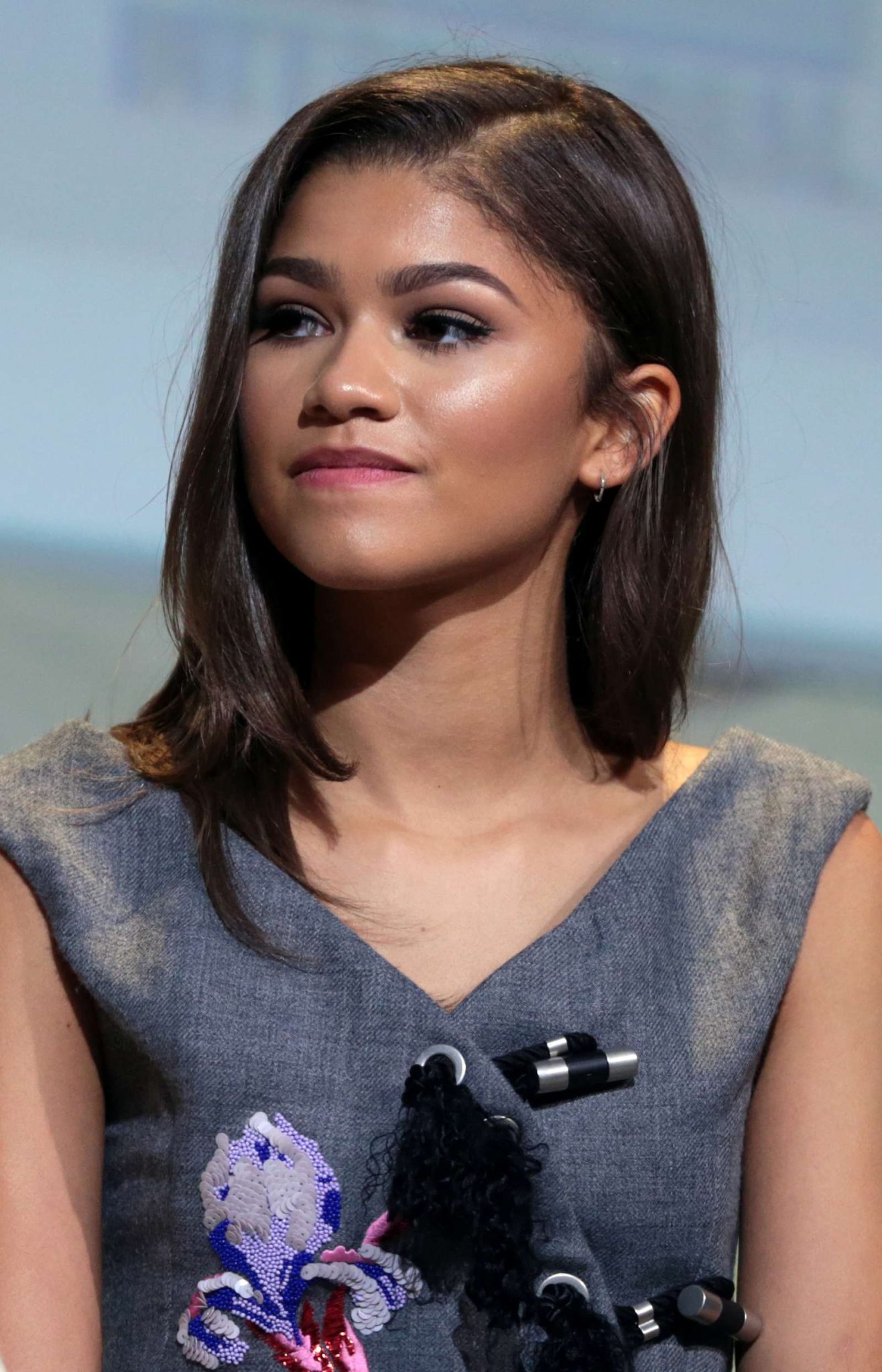
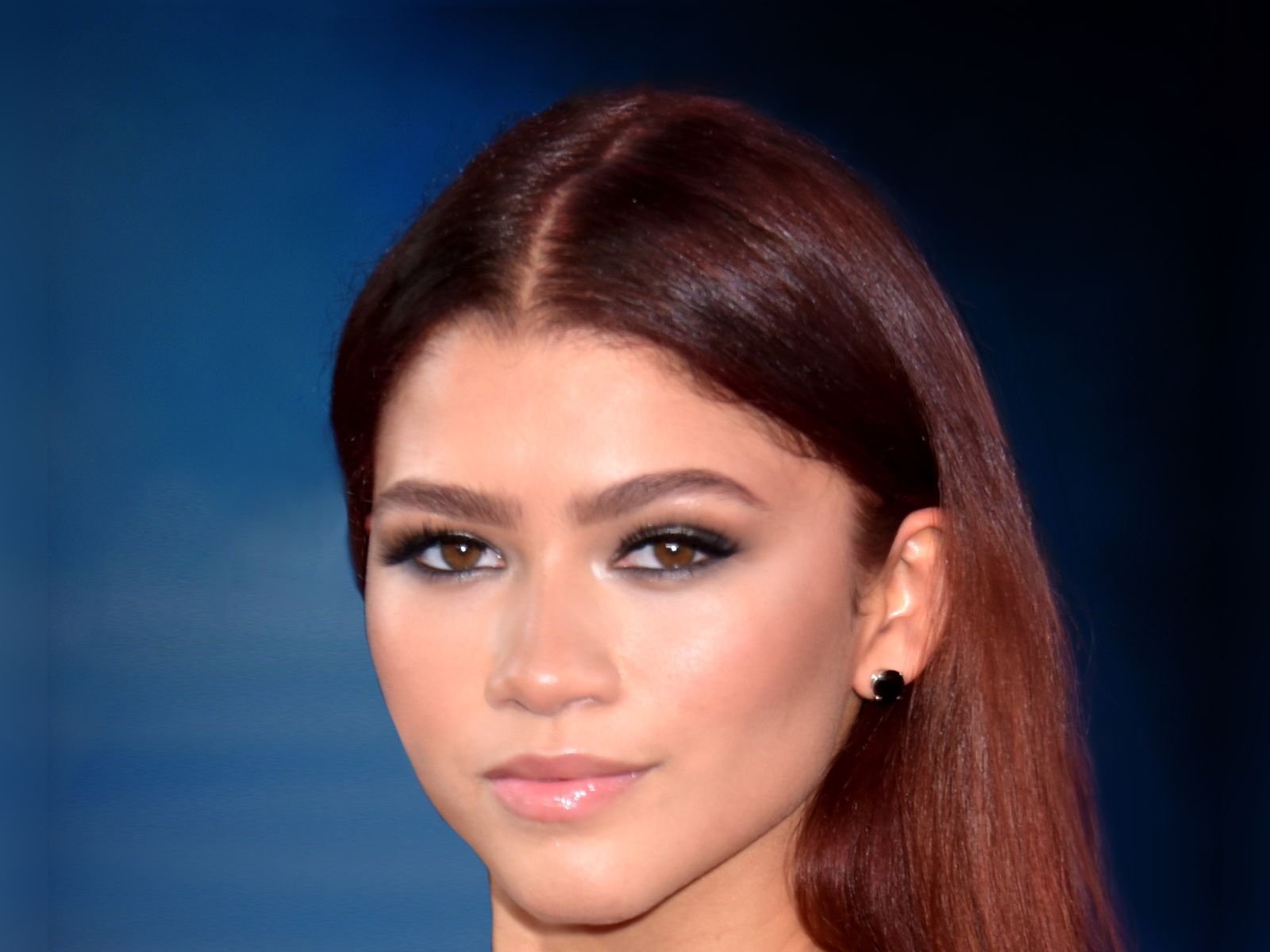
The 2020s red carpet runs on references, rewears, and the collapse of the gender binary. Its brightest star treats every appearance like an art installation. Zendaya, styled by longtime image architect Law Roach, defines the decade’s red carpet. She refuses to repeat herself.
Her signature 2020s moment came at the 94th Academy Awards on March 27, 2022. There to support Dune and its ten nominations, she wore custom Valentino. The look: a white cropped silk shirt with a shimmering silver sequined skirt, finished with Bulgari jewels. Fashion historians clocked the homage at once. It echoed Sharon Stone’s 1998 white-shirt Oscars look, updated for a new century. The outfit proved a powerful point. The smartest red carpet move can be a conversation with history, not a break from it.
Beside her, Dune co-star Timothée Chalamet offered the menswear counterpart. He wore a black Louis Vuitton suit with no shirt, Cartier jewels at the open collar. Between Zendaya’s archival nod and Chalamet’s bare-chested tailoring, the 2022 Oscars sketched the decade’s rulebook. Old ideas, remixed without permission.
That remix spirit now defines the era: stars increasingly rewear archival pieces, as Berry’s 2024 Saab revival proved. Menswear keeps borrowing from the womenswear playbook Porter pried open. Ultimately, the red carpet has never been less predictable — and given this timeline, that feels exactly right.
What’s Next for Iconic Red Carpet Looks by Decade
That’s the throughline of these iconic red carpet looks by decade. Each was a gamble that paid off in cultural immortality. Hepburn and Kelly turned elegance into a language. Streisand and Cher weaponized audacity. Stone proved a simple shirt could beat couture. Lopez accidentally built a Google product. Björk, Gaga, and Rihanna turned arrivals into performance art. Porter turned his into protest. Zendaya turned hers into dialogue with the past.
What comes next? If the pattern holds, the next era-defining look won’t be a stylist’s safe choice. It will come from a star with something to say — and the nerve to say it in fabric. For example, vintage rewears are already accelerating. Sustainability is reshaping how houses lend. The line between menswear and womenswear has dissolved. Still, one thing is certain: somewhere, a designer is sketching the outfit we will argue about in 2036.
Until then, the museum pieces keep their power. Berry’s burgundy Saab hangs in the Academy Museum; Björk’s swan survived the Met’s Camp exhibition. Every awards season, a new arrival steps onto the carpet hoping to join the list. For more stories of stars beating the odds, explore the actors almost cast in iconic movie roles and the real jobs celebrities worked before they were famous.