Every television fan carries a scar. Somewhere in your memory sits one of the great tv shows cancelled too soon — a series that was sharp, strange, or genuinely special, yet vanished before it reached its full potential. Say the names out loud — Firefly, Freaks and Geeks, Mindhunter — and you can still hear the disappointment.
Cancellation rarely means a show was bad. Below: 12 of the most painful cancellations ever — what each show was, why it was killed, and where it stands today.
The Golden Age’s Graveyard: TV Shows Cancelled Too Soon
The story is almost always the same. A brilliant show premieres to praise. The ratings never arrive. The network panics, and a quiet press release announces the axe. Months later, the series explodes on DVD or streaming — too late.
The reasons differ wildly: network incompetence, a strike, a pandemic, a collapsed partnership, or math no fandom can solve. Here are the 12 most heartbreaking cases.
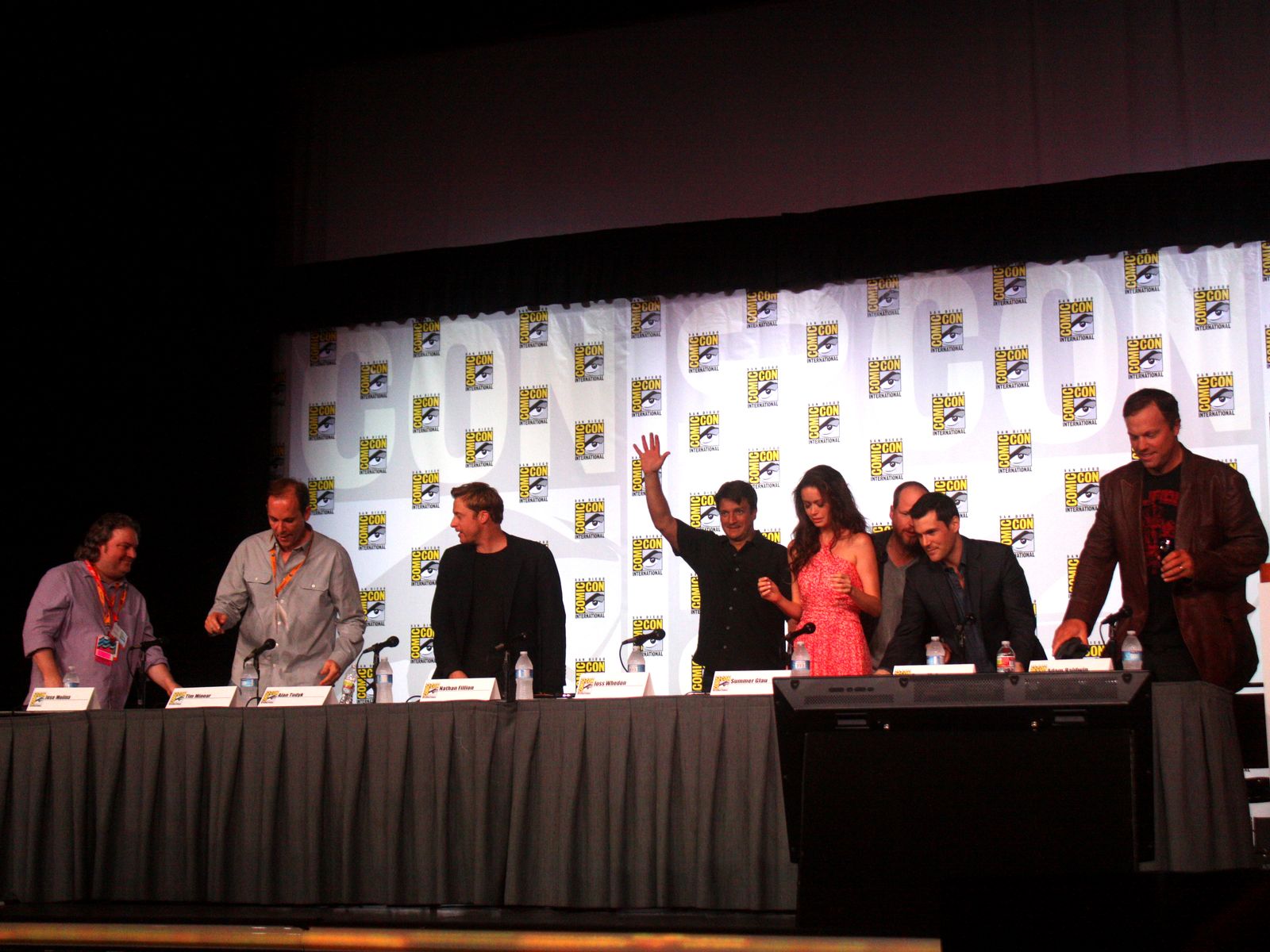
Firefly (2002): The Space Western Fox Never Understood
Joss Whedon’s space western followed the crew of the ship Serenity, led by Nathan Fillion. Fox ordered 14 episodes; only 11 aired.
The axe was largely Fox’s fault: episodes aired out of order, the two-hour pilot held back, “The Train Job” airing first. A Friday slot full of pre-emptions and action-movie marketing finished the job: about 4.7 million viewers, 98th in the Nielsens. Fox’s handling of the show remains a textbook case of network sabotage.
Fans — the Browncoats — fought back with postcards, then wallets. The DVD set sold out pre-orders in 24 hours and moved roughly 500,000 copies, pushing Universal to greenlight the film Serenity (2005). Ron Glass, who played Shepherd Book, died November 25, 2016. Note: Whedon was later accused of abusive on-set behavior by Charisma Carpenter, Ray Fisher, and Gal Gadot in widely reported 2020–21 accounts. The fandom still thrives — see our Last Alaskans cast update.
Freaks and Geeks (1999–2000): One Season, a Generation of Stars
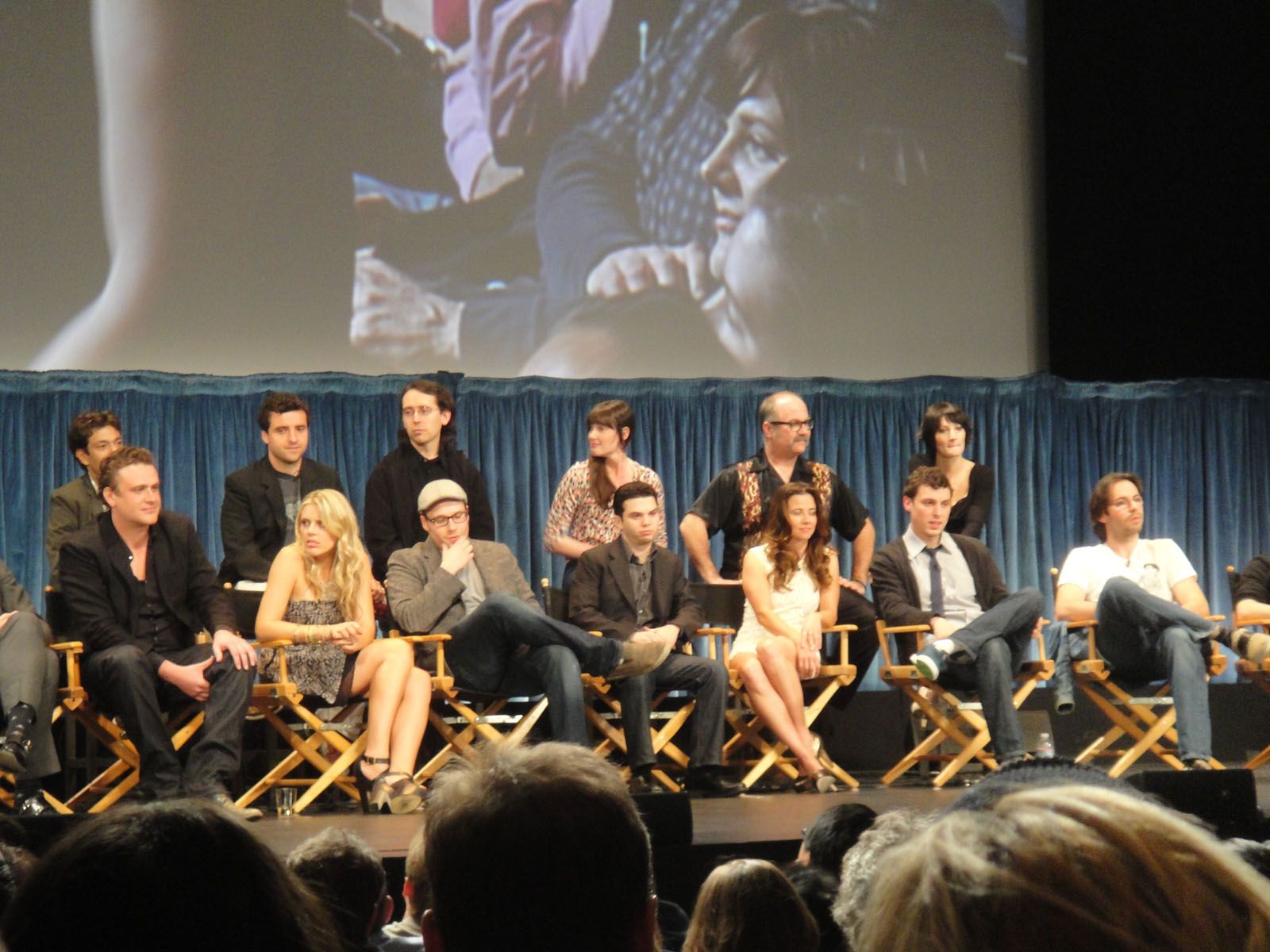
Paul Feig created and Judd Apatow executive-produced this painfully honest look at high school in 1980. NBC aired only 12 of 18 episodes before cancelling.
Ratings were weak — under 7 million viewers against 14 million-plus for Frasier and Friends. Scheduling was worse: Saturdays at 8 p.m. versus Who Wants to Be a Millionaire, pre-emptions, long gaps. Executives demanded “cooler” characters, and Apatow said the network refused to promote the fan site because it “didn’t want people to know the Internet existed.” He later turned down an MTV offer for season 2.
The cast became a talent pipeline: Seth Rogen, Jason Segel (Shrinking), Linda Cardellini (Dead to Me), and Martin Starr (Silicon Valley). Many were teens when it aired — see our 90s child stars: where are they now roundup.
Arrested Development (2003–2006): Too Clever for Its Own Ratings
Mitchell Hurwitz’s sitcom about the dysfunctional Bluth family was arguably TV’s funniest show. Three seasons and 53 episodes on Fox brought 6 Emmys and a Golden Globe. The audience never matched the acclaim.
Fox’s reasons piled up: falling viewership, rising costs, slot changes, weak marketing — and the last four episodes burned off against the Winter Olympics. After season 3, Fox cut it (finale aired February 2006).
Netflix revived it in 2013 with a 15-episode fourth season — one of its first originals — then a two-part fifth season in 2018–19. Both were poorly received, and the show is shelved. Jason Bateman (Ozark), Will Arnett, and Michael Cera became comedy stars; Jessica Walter, the unforgettable Lucille, died March 24, 2021. In a 2018 New York Times interview, Walter said Jeffrey Tambor verbally harassed her on set; he admitted a temper and apologized. Separately, Tambor was fired from Transparent by Amazon in 2018 over harassment allegations he denied. More surprises in our
om/actors-almost-cast-iconic-movie-roles/”>actors almost cast in iconic movie roles feature.
Hannibal (2013–2015): Art-House Horror on a Broadcast Budget
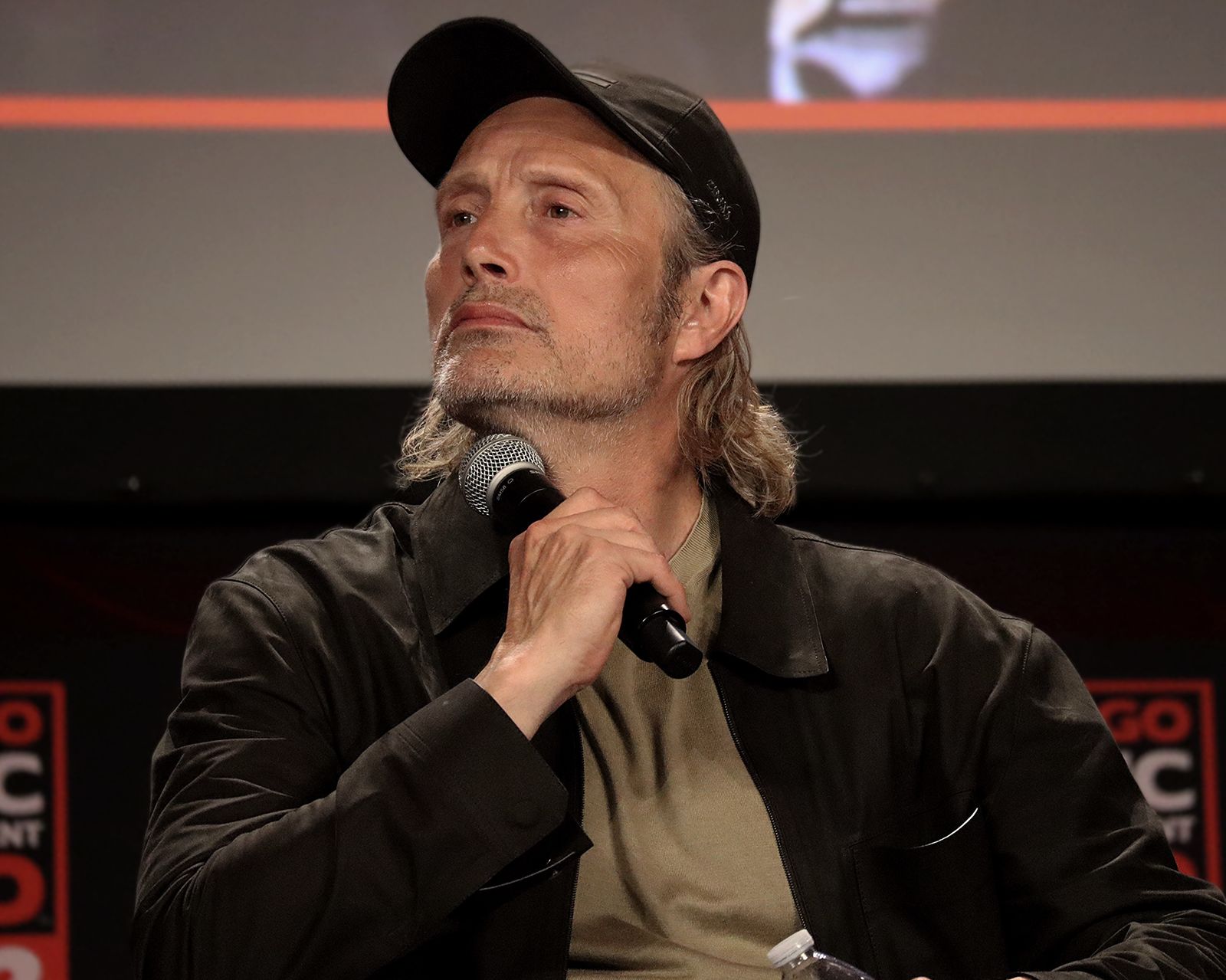
Bryan Fuller’s lush, operatic take on Thomas Harris’s characters starred Mads Mikkelsen as Lecter and Hugh Dancy as Will Graham. Three seasons, 39 episodes. Critics adored it. Viewers did not arrive.
NBC buried it on late Friday and Saturday nights, and season 3 sank to a 0.5 demo rating. In June 2015, NBC declined season 4, and the cancellation triggered a massive fan campaign.
#SaveHannibal produced a petition reported at 700,000 signatures, but Fuller announced Amazon and Netflix had both passed. He later floated a limited 6-to-8-episode season using the Silence of the Lambs rights, with talks confirmed in 2017. No home materialized. Today, Mikkelsen is a global star (Rogue One, Fantastic Beasts, Indiana Jones), Dancy leads Law & Order, and Gillian Anderson added Sex Education and The Crown.
The OA (2016–2019): Netflix’s Strangest Cancellation
Co-created by Brit Marling — who also starred — and Zal Batmanglij, The OA was a metaphysical mystery in two “Parts” across 16 chapters. It was planned as five seasons. Fans got two-fifths.
Netflix cancelled it in August 2019 after Part II, releasing no viewership data. Jason Isaacs gave the key explanation: subscriber-acquisition metrics — not enough new subscribers to justify the cost. TV Guide’s coverage captured the shock.
The backlash was among Netflix’s most theatrical: Times Square billboards, flowers at Netflix HQ, flash mobs, a hunger strike. The creators discussed a wrap-up movie but declined — one film could not resolve a five-season plan. Netflix owns the property outright, killing any move elsewhere. Mic documented the campaign’s scale. Some fans call it a meta publicity stunt — fan theory only. Brandon Perea later broke out in Nope and Twisters.
Mindhunter (2017–2019): David Fincher’s Expensive Obsession
Created by Joe Penhall and executive-produced by David Fincher, Mindhunter dramatized the FBI’s early behavioral science unit. Two seasons, 19 episodes, with a five-season arc reportedly mapped. Meticulous, chilling — and enormously expensive.
In January 2020, Netflix put it on “indefinite hold” and released the cast, as Fincher did not want to hold actors while making Mank. In February 2023, he confirmed to French press there would be no season 3: “a particularly expensive series” that “hasn’t attracted a large enough audience to justify such an investment.” He called it “a 90-hour workweek” that exhausted him. TV Insider’s breakdown is the clearest account.
Fan response has been persistent but low-key — petitions, constant cast questions. Nothing moved Netflix. Holt McCallany says any revival depends on Fincher. Fincher signed a multi-year Netflix deal (Mank, The Killer); Jonathan Groff returned to Broadway; Anna Torv joined The Last of Us. This piece focuses on the business of its cancellation, not the crimes depicted.
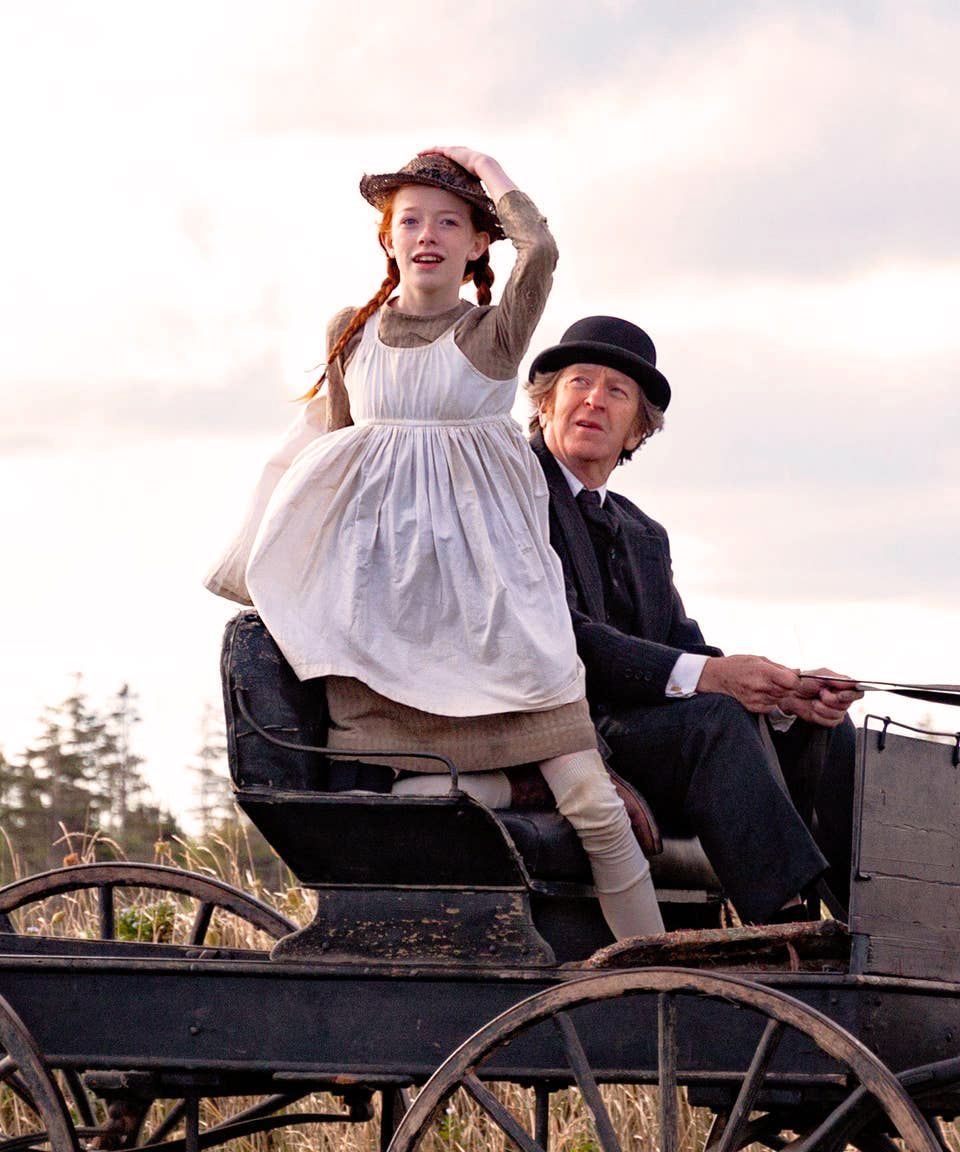
Anne with an E (2017–2019): A Co-Production That Fell Apart
Moira Walley-Beckett’s darker take on L.M. Montgomery’s Anne of Green Gables ran three seasons and 27 episodes as a CBC/Netflix co-production — before both partners walked away.
Cancellation came November 25, 2019, in a joint statement with no official reason. The context: CBC president Catherine Tait had argued the Netflix deal fed Netflix’s growth at Canada’s expense, and the CBC ended the partnership. CBC’s Sally Catto later said viewership “didn’t lift enough” in the 25–54 demo. The partnership’s collapse is the accepted cause.
The fan campaign was one of the biggest ever. #RenewAnneWithAnE passed a million uses in 24 hours. A Change.org petition hit a million signatures in 2020 and nears 1.78 million — the largest entertainment petition ever aimed at Netflix. Fans funded billboards in Toronto and Times Square, with Ryan Reynolds and Sam Smith voicing support. Yet Walley-Beckett confirmed in December 2019 that “there is just no way to revive Anne with an E anywhere.” Playback reported her statement. The CBC later claimed much backlash came from Twitter bots — its own disputed claim. Amybeth McNulty later joined Stranger Things.
GLOW (2017–2019): Renewed, Then Un-Renewed
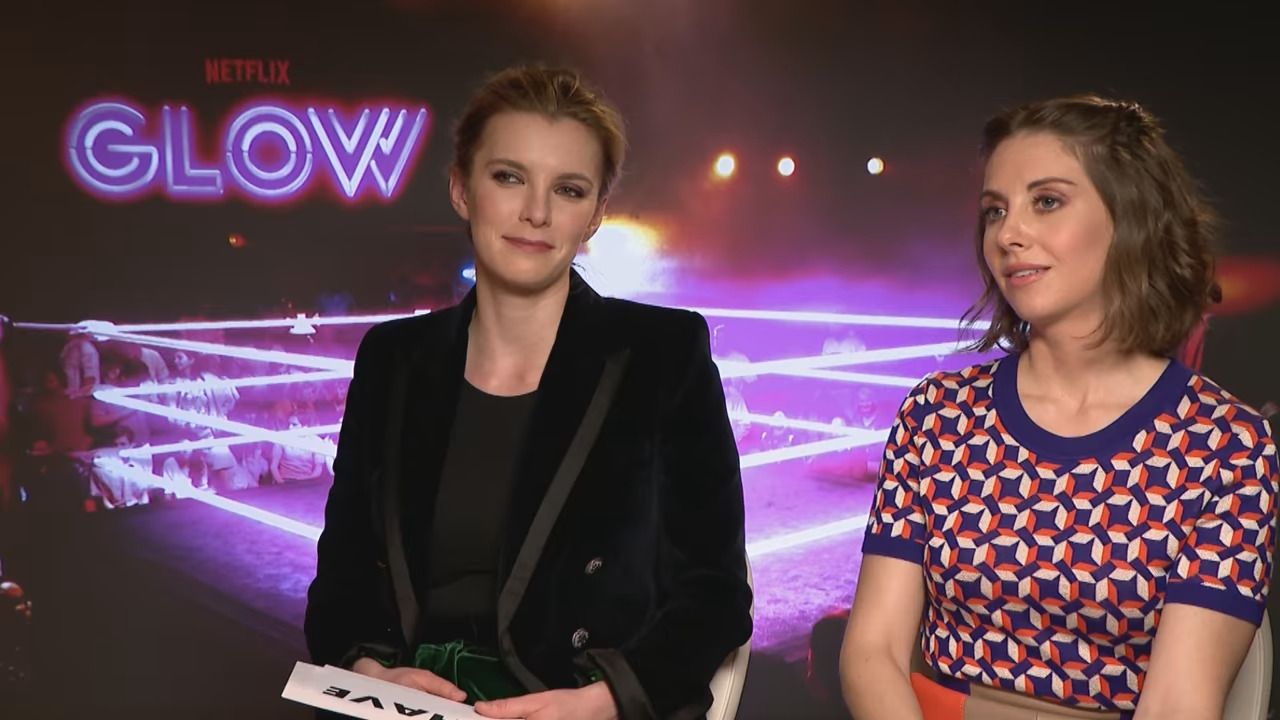
Created by Liz Flahive and Carly Mensch, GLOW was a big-hearted comedy-drama based on the real 1980s women’s wrestling show. Alison Brie, Betty Gilpin, and Marc Maron led three seasons and 30 episodes. Netflix renewed it for a fourth and final season in August 2019 — then the pandemic hit.
On October 5, 2020, Netflix reversed the renewal: production had shut down three weeks into filming season 4, and the physically intimate, large-ensemble show was too risky and costly under pandemic protocols. Entertainment Tonight covered the reversal.
Fan reaction was widespread disappointment, but no organized save campaign gained traction. The creators’ statement became the epitaph: “COVID has killed actual humans… COVID also apparently took down our show.” The cast rebounded fast — Brie co-wrote Horse Girl; Gilpin headlined Mrs. Davis.
Santa Clarita Diet (2017–2019): A Zombie Cliffhanger Nobody Resolved
Victor Fresco’s dark comedy followed married realtors whose suburban life collapses when Sheila (Drew Barrymore) becomes undead. Three seasons, 30 episodes, season 3 at 100% on Rotten Tomatoes — cancelled by Netflix in April 2019 on a cliffhanger.
Fresco said it came down to cost versus audience growth: Netflix prefers launching new series to renewing flat-audience ones. As Netflix’s Cindy Holland put it, investment follows “the audience that will show up.” Loyal but flat gets cancelled. Worse, Netflix contracts typically block cancelled originals from moving elsewhere for years. ScreenRant’s look at the axe explains the fan fury.
#SaveSantaClaritaDiet trended and petitions circulated, but nothing materialized. Barrymore pivoted to her talk show; Olyphant returned as Raylan Givens in Justified: City Primeval. The unresolved cliffhanger remains one of streaming’s most frustrating loose ends.
The Society (2019): Cancelled on the Same Day as Its Comeback
Christopher Keyser’s teen drama had a Lord of the Flies premise: teens return from a trip to find their town — and every adult — gone. Kathryn Newton, Gideon Adlon, and Toby Wallace led one 10-episode season. Netflix renewed it for season 2 in July 2019. Thirteen months later, the renewal was revoked.
On August 21, 2020 — the same day Netflix axed I Am Not Okay With This — the streamer reversed course, citing COVID-19: uncertain production dates, scheduling headaches, and budget increases near 20%. Radio Times reported both.
#SaveTheSociety trended, and Newton said she was “heartbroken” — season 2 was fully written. Keyser outlined his planned storyline in interviews (reported, unconfirmed). Newton broke out with Ant-Man and the Wasp: Quantumania, Lisa Frankenstein, and Abigail; Wallace joined Euphoria. The cruelest kind of cancellation: a show killed after it had already been saved.
Pushing Daisies (2007–2009): A Strike Cut It Down
Bryan Fuller’s fairy-tale crime comedy starred Lee Pace as a pie-maker who could revive the dead with one touch. With Anna Friel and Emmy winner Kristin Chenoweth, it ran two seasons and 22 episodes, earning 7 Emmys from 17 nominations.
The 2007–08 writers’ strike began the end: season 1 cut to 9 episodes, then a 10-month gap collapsed the ratings on its fall 2008 return. ABC ordered nothing beyond the initial 13 second-season episodes, and Fuller confirmed the axe on November 20, 2008. Lavish sets made it pricey, and ABC’s president even blamed flawed Nielsen measurement. The production history is a case study in bad timing.
Revival talk never died. Fuller has floated a miniseries, movie, or stage show. A December 2025 report claimed a third season was in development — one low-authority source, unconfirmed. Pace went on to Guardians of the Galaxy and Foundation. Fuller, fittingly, created Hannibal — another entry on this list.
Veronica Mars (2004–2007): The Little Show That Wouldn’t Stay Dead
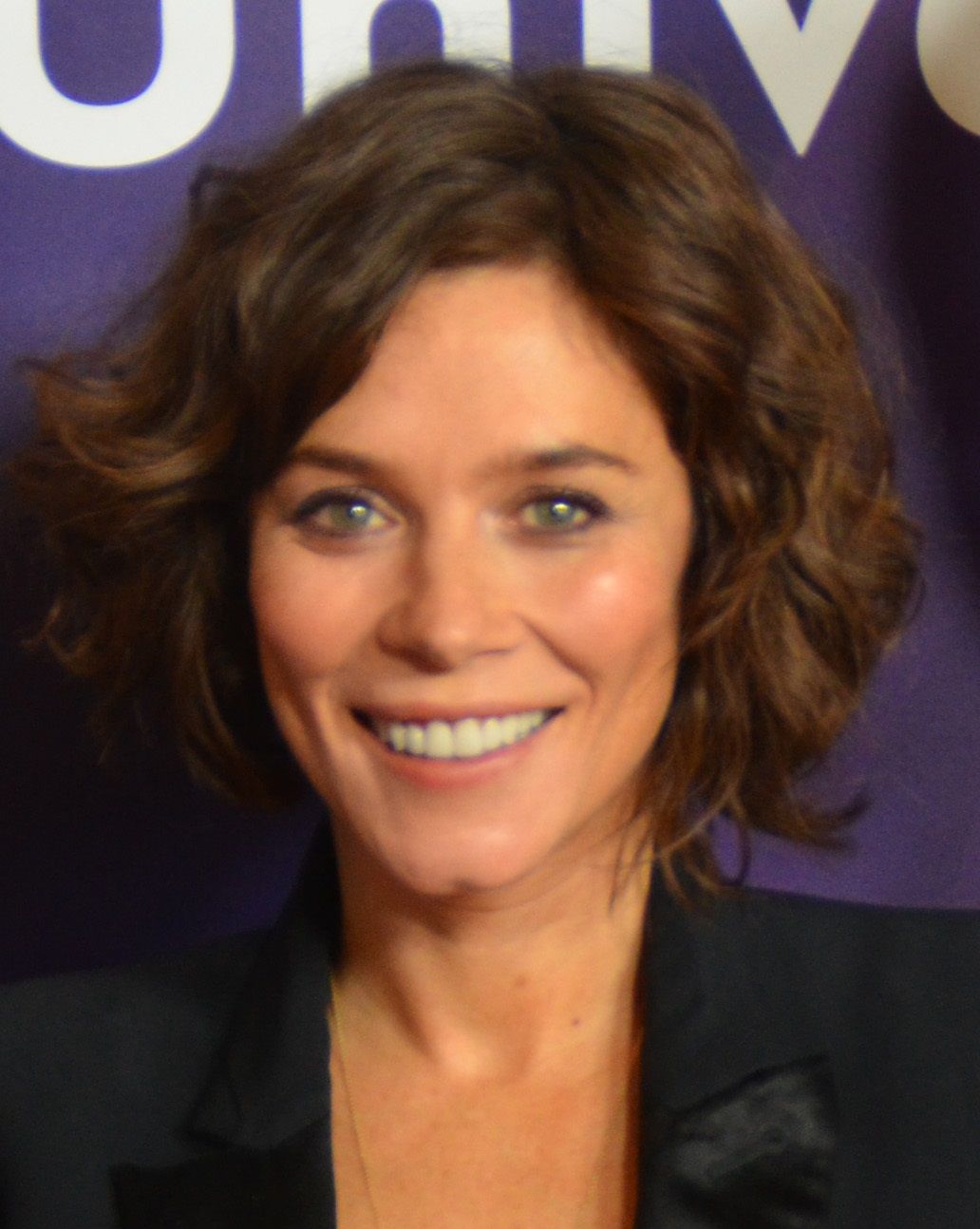
Rob Thomas’s series starred Kristen Bell as a teenage detective in corrupt Neptune, California. Two seasons on UPN, one on The CW — 64 episodes total. Ratings stayed low. The fans were ferocious.
At the May 2007 CW upfront, the network confirmed it was done — the slot went to reality TV, and president Dawn Ostroff said it would not return “in any form.” Thomas pitched an FBI-era reboot. The CW passed.
What followed became the gold standard of fan revivals. In 2013, Thomas and Bell launched a Kickstarter for a film, with Warner Bros. pledging the rest if fans raised $2 million. Fans hit that in under 11 hours and finished at $5.7 million from 91,000-plus backers — a record then. The film arrived in 2014, and Hulu ordered an eight-episode fourth season in 2019. The revival’s finale twist split the fandom — kept spoiler-light here. Bell moved on to The Good Place; Thomas created iZombie. Dormant, but not dead.

Why Networks Really Pull the Plug
Strip away the individual stories and the same forces keep appearing. In the broadcast era, the math was simple: Nielsen ratings in the 18–49 demo set ad rates. Averaging 4.7 million viewers in a Friday death slot made a show a financial loser. Bad scheduling and weak marketing only sped up the fall.
Streaming changed the math but not the cruelty. Netflix tracks completion rates and, above all, subscriber-acquisition metrics. A beloved show that fails to attract new subscribers — the reported fate of The OA — looks like a bad investment. Older shows get pricier each season, so renewing a flat-audience series often costs more than launching a new one. See our how much reality TV stars really get paid breakdown.
Then the wild cards: a strike gutted Pushing Daisies, a pandemic reversed two renewals, a partnership collapse killed Anne with an E. That is why the list of tv shows cancelled too soon keeps growing.
When Fan Campaigns Actually Worked: TV Shows Cancelled Too Soon That Came Back
Not every campaign ends in heartbreak. A few rewrote TV history by proving the audience existed.
Firefly: From DVD Box Set to the Big Screen
The Browncoats turned grief into commerce: the DVD set sold out pre-orders in 24 hours, giving Universal reason to greenlight Serenity (2005). The first great fan rescue of the internet age.
Arrested Development: Netflix’s First Big Rescue
Years of fan devotion kept the Bluths in the cultural conversation, and Netflix’s 2013 fourth season proved cancelled shows could become corporate assets.
Veronica Mars: The Campaign That Changed Crowdfunding
The 2013 Kickstarter changed Hollywood’s view of fans: $2 million in under 11 hours, $5.7 million from 91,000-plus backers. The 2014 film and 2019 Hulu season flowed from it.
The wins are the exception, though. Hannibal was shopped to Amazon and Netflix — both passed. The OA’s creators declined a wrap-up movie. Anne with an E’s producers shut the door. Not every entry on this list of tv shows cancelled too soon gets a second act.
The Final Verdict on TV Shows Cancelled Too Soon
Cancellation is no longer the death sentence it once was. Streaming and relentless fandoms let a show find its audience years later — and sometimes drag it back. Firefly got its movie. Veronica Mars got its film and Hulu season. Arrested Development got its Netflix afterlife.
But the economics have not changed, and the list of tv shows cancelled too soon will keep growing — great TV and profitable TV are not the same thing. Which cancellation stings most for you? Tell us in the comments.