

Every few months, a headline declares that a celebrity is worth some jaw-dropping number. One site says $200 million. Another says $90 million. A third calls the same star a billionaire. This guide explains how celebrity net worth is calculated, why the answers disagree, and how to read any figure like a skeptic.
The short version is simple. These numbers are not bank statements. They are educated estimates, built from public records, reported deals, and a long list of assumptions. Once you see the ingredients, the disagreements start to make sense.
The Simple Formula: How Celebrity Net Worth Is Calculated
Net worth means assets minus liabilities. In other words, it is everything a person owns, minus everything they owe.
Assets include cash, stocks, bonds, real estate, business stakes, future royalties, and valuables like art or jewelry. Liabilities include mortgages, private loans, unpaid tax bills, and legal settlements. The final number is what would remain if everything were sold and every debt were paid in full.
That simple formula is the starting point for how celebrity net worth is calculated. However, almost every input after that point is an estimate.
One common mistake is confusing income with wealth. A $20 million movie paycheck does not make an actor $20 million richer. First, taxes can take roughly half in a high-tax state. Then an agent may take 10 percent, a manager another 10 to 15 percent, and a lawyer around 5 percent. After business costs and everyday spending, the star might keep less than a third of the headline number.
For that reason, “highest-paid” lists and net worth lists measure different things. The first tracks money coming in during a single year. The second tries to measure what has survived over an entire career.
Gathering the Ingredients
Researchers start with the money trail they can see. Then they fill the gaps with informed guesses. Broadly, a celebrity fortune comes from three buckets: paydays, property, and private business stakes.
Salaries, royalties, and touring income
Some paydays are public. Professional athletes have reported contracts. Actors’ salaries often leak through trade publications. Concert grosses get tracked by industry reporters, and streaming payouts follow known formulas.
However, gross revenue is not profit. A tour that grosses $100 million still pays for staging, crew, travel, and venues before the artist sees a share. Royalty deals also vary widely, so two stars with similar hits can keep very different amounts.
New income streams add fresh guesswork. Streaming stars and online creators earn through ads, sponsorships, and merchandise, and those deals are rarely public. For example, a breakout VTuber can build a serious business largely off-screen — see our Ironmouse VTuber biography — which shows why modern fame is harder to price than old Hollywood contracts.
Real estate and visible assets
Property is one of the easier pieces to verify. In the United States, home purchases and sales leave public records, including prices and dates. Entertainment reporters routinely match a celebrity buyer to a mansion sale, which gives researchers a solid anchor.

Still, a mansion’s purchase price is not its current value. Markets move, renovations cost money, and many luxury homes carry large mortgages. Cars, yachts, and private jets are even trickier, because the most visible ones are often leased or financed rather than owned outright.
Business stakes: the hardest number to pin down
This is where estimates get shaky. When a celebrity owns part of a private company — a cosmetics line, a tequila brand, a fashion label — there is no stock price to check. Researchers must guess the company’s value using revenue multiples or comparisons with similar businesses. Then they must guess what percentage the star actually owns.
A real sale can anchor the math. When Kylie Jenner sold a majority stake in Kylie Cosmetics to Coty, the deal price gave outsiders their first hard look at the brand’s value. Before that moment, almost every figure attached to the business was speculation.
Most celebrity businesses never sell, though. In those cases, the “business stake” line in a net worth estimate is really just an educated guess stacked on another guess.
How Forbes Builds Its Billionaire Numbers
Forbes is the most famous name in wealth ranking, and its reporters have described their methods in unusual detail. The magazine works from public information, fixes its stock-price and exchange-rate dates so every fortune is measured at the same moment, and leans toward conservative estimates, according to a summary of its reporting practices.

Publicly traded holdings are the easy part. If a celebrity owns shares in a listed company, anyone can multiply the share count by the market price. That is why fortunes built on public stock tend to produce the most agreement between sites.
Private companies cause the most trouble. As Forbes reporter Kerry Dolan explained to Marketplace, valuing a private firm can mean seeking audited statements, speaking with analysts, or interviewing former employees. She also noted that some wealthy subjects exaggerate their fortunes, which forces reporters to discount bold claims instead of printing them.
That tension cuts both ways. Subjects do not always think the estimate is too high. Saudi prince Alwaleed bin Talal once sued Forbes over its valuation of his wealth, arguing the number was far too low, and the case was eventually settled. The episode shows that even the gold standard of wealth reporting is really a well-informed argument, not a measurement.
The Invisible Half: Taxes, Debt, and Fees
So far we have covered the visible half of how celebrity net worth is calculated: income, property, and business stakes. The invisible half is what gets subtracted, and almost all of it is private.
Start with taxes. High earners can owe federal, state, and local income tax, plus property tax on every home they own. Then comes the entourage: agents, managers, lawyers, and publicists typically take a combined 20 to 30 percent of earnings. Business ventures carry their own payrolls, leases, and operating costs on top of that.
Debt is the biggest blind spot. Mortgages on multiple homes, loans taken against stock portfolios, and private borrowing rarely appear in public records. Divorce settlements have also quietly reshaped several famous fortunes, and the cost of simply living like a celebrity, year after year, drains wealth faster than fans imagine.
Methodology explainers confirm how much guesswork this involves. MarketRealist, describing the approach used by outlets like Celebrity Net Worth, reports that estimates factor in known salaries, property, royalties, and endorsements, then subtract estimated taxes, representation fees, and lifestyle costs. Every one of those subtractions is an assumption, and different researchers make different ones.
Because these costs stay hidden, two researchers can start with the same mansion and the same movie salary and still land millions of dollars apart. The gap is not a math error. It is a guess gap.
Why Sites Disagree About How Celebrity Net Worth Is Calculated
By now the pattern should be clear. Disagreement is not a bug in the system. It is the system.

Different sites use different sources. One may rely on a property database, while another leans on interviews or press releases. They also update on different schedules, so a page that still shows a 2021 figure will clash with a rival that refreshed its math last month.
Assumptions multiply the differences. One site might value a tequila brand at five times revenue while another uses three times. One might subtract 40 percent for taxes while another subtracts 30. One might count a couple’s combined assets while another counts only the individual star.
Sometimes the truth only surfaces in court. Divorce filings, probate records, and lawsuits have exposed real numbers behind famous fortunes, which is why legal documents are a researcher’s best friend. Until that happens, though, every published figure is a snapshot with an expiry date.
The honest way to read these numbers is as ranges, not receipts. A star “worth $100 million” really means “somewhere in the high eight figures, according to one site’s assumptions, on one particular date.”
Famous Cases Where the Estimates Were Way Off
Nothing illustrates the guesswork better than the estimates that collapsed in public.
The most famous example is Kylie Jenner. Forbes once labeled her a billionaire, then revised its estimate to around $900 million in 2020 after reviewing information released around the Coty deal, according to reporting by Reuters. Jenner pushed back hard, calling the magazine’s account inaccurate and based on unproven assumptions. Both the revision and the denial were widely covered, and the episode remains the textbook case of a private-company valuation falling apart under scrutiny.
Then there is the Alwaleed dispute described earlier: a billionaire who believed Forbes had undervalued him badly enough to take the magazine to court. Lawsuits over wealth estimates are rare, but the fact that one reached a courtroom shows how much room for argument these numbers contain.
Less dramatic errors happen quietly every day. Stale pages keep showing pre-divorce fortunes, pre-flop business valuations, and pre-tax-lien totals. A figure can be perfectly reasonable on its publication date and badly wrong two years later, which is why the date on the estimate matters as much as the number itself.
How to Read a Net Worth Figure Like a Skeptic
Once you know how celebrity net worth is calculated, you can spot a shaky number in seconds. Run through this quick checklist before you believe — or share — any fortune.
- Check the date. An undated figure is a red flag, because every estimate expires.
- Look for the word “estimated.” Serious publishers use it. Sites that state a fortune as fact are usually copying someone else’s guess.
- Compare two or three sources. If they cluster together, the number is probably in the right neighborhood. If they scatter, nobody really knows.
- Ask what is missing. Does the figure account for debt, taxes, and divorce? If the article never mentions them, the math is incomplete.
- Remember that private deals are guesses. A cosmetics line or liquor brand without a public sale price is a black box, no matter how confident the headline sounds.
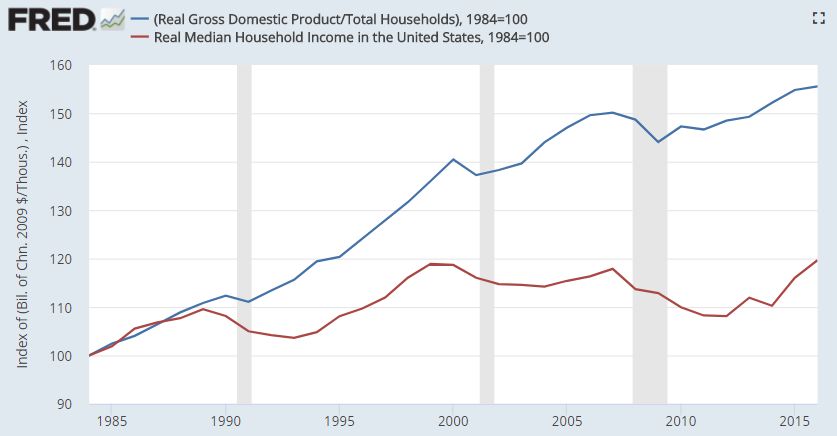
It also helps to remember that a single number can mislead, just as an average can. Economists like to point out that if a billionaire walks into a room of factory workers, the average income soars while the typical worker’s pay barely moves. That is why the median often tells a truer story than the mean. A net worth headline works the same way: one big, confident number can hide a wide range of possible truths.
None of this means the figures are useless. They are fun, they are roughly informative, and they are a reasonable starting point — much like the rest of our celebrity coverage, from celebrity plastic surgery transformations to Last Alaskans cast update and 365 Days cast. Just treat every fortune as a dated estimate rather than a bank balance, and you will always be the smartest person in the comment section.