

Behind every flawless K-pop performance is a system most fans never see. The K-pop trainee system is the machine that turns hopeful teenagers into global stars. It runs on years of singing lessons, dance drills, language classes, and monthly evaluations — all before a single song is released. In South Korea, aspiring idols are called yeonseupsaeng, or trainees. Their road to the stage can last from a few months to more than a decade. However, there is no promise of a debut at the end. (Read more on how K-pop idols are really made.)
This guide explains how the K-pop trainee system really works. You will learn about the brutal auditions and the long practice days. You will also see how the contracts work and what the lifestyle rules demand. Finally, you will learn which reforms followed years of controversy. As a result, you will understand exactly what it costs — in time, money, and personal freedom — to become a K-pop idol.
Where the K-Pop Trainee System Came From
The modern idol factory did not appear overnight. In 1992, a trio called Seo Taiji and Boys debuted with a sound nobody in Korea had heard before. Their success broke the old censorship-heavy model. By 1993 they had sold roughly 2.13 million albums, according to Korean music historians. Youth-driven pop could clearly move millions.
A few years later, SM Entertainment founder Lee Soo-man saw a bigger opportunity. Instead of waiting for a star to appear, why not manufacture one? Lee was a former singer himself. In the mid-1990s he formalized what became the trainee system. To do it, he blended Japan’s idol-management model with American-style pop production. He called his playbook “culture technology”: a repeatable formula for music, choreography, visuals, and star persona.

The proof of concept arrived in September 1996. That month, the five-member boy band H.O.T. debuted under SM with coordinated choreography and matching concepts, as detailed by the Korea JoongAng Daily. H.O.T. is widely regarded as the first group in the modern idol format. Soon their success spread across Korea, China, and Southeast Asia. As a result, the formula proved it could travel.
Meanwhile, rival founders followed the same blueprint. Park Jin-young built JYP Entertainment. Yang Hyun-suk built YG Entertainment. Together with SM, they formed the “Big 3” era. HYBE, the home of BTS, would later join them to create today’s Big 4.

The Audition Funnel: How Trainees Get Picked
Getting into the K-pop trainee system starts with the audition. The odds are staggering. Major agencies hold global auditions across Asia, the Americas, and Europe. In addition, scouts patrol dance academies, school competitions, and even YouTube uploads.
Industry reporting puts the competition rate at roughly 1,000 to 1 for mid-size agencies, with some reports claiming 10,000 to 1 at the biggest companies. Treat those figures as reported, since agencies rarely publish real numbers. Still, the funnel is undeniably brutal.
Trainees can be startlingly young. Many are scouted or audition between the ages of 10 and 13. They balance middle school with evening practice — a childhood trade-off we have seen before with young performers. BLACKPINK’s Lisa, for example, passed YG Entertainment’s Thailand audition in 2010 as the only successful candidate. Then she moved to South Korea in 2011 at age 14 to begin training. Years later she won big at the 2026 MTV VMAs — far from that first audition room.
Because agencies now chase global markets, foreign trainees are increasingly common. For instance, Korean media have reported that a majority of applicants to some company-run academies are non-Korean. Passing the audition, however, only buys a ticket into the system. Still, it guarantees nothing beyond the chance to train.
A Day in the Life of a K-Pop Trainee
Trainee life is closer to a strict, unpaid apprenticeship. A typical day starts with school. After classes, the trainee heads straight to the company building for hours of scheduled training. First come vocal lessons, which focus on pitch, breath control, and emotional delivery. Dance practice — often the longest block — drills choreography until every move is perfectly synchronized. In K-pop, group precision is non-negotiable.
Language classes are mandatory because idols are built for export. Trainees commonly study English and Japanese. Depending on the company’s target markets, they may also learn Mandarin or Thai. Media training teaches them how to behave in interviews and in public. Former trainees have described 6 to 12 hours of daily practice on top of school. Some report longer days during pre-debut crunches — a grueling routine documented in interviews with ex-trainees.
Most trainees live together in company dorms with curfews and monitored routines. Instead of a salary, they typically receive a modest monthly stipend. The reported range is 100,000 to 500,000 KRW (roughly $75 to $375) for small personal expenses. The company covers housing, training, and daily costs. Nevertheless, that support comes with strings attached, as we will see.
The Monthly Evaluation: Perform or Go Home
One of the most stressful parts of the K-pop trainee system is the evaluation cycle. Trainees are graded on a regular cycle, often monthly. They perform vocals, dance, and language skills in front of company executives and trainers. Those who improve stay. Those who stall can be quietly dropped — no matter how strong their original audition was.
Former trainees have described sleepless nights before assessment days. They also describe intense pressure to show visible progress every single month. In addition, appearance is monitored. Multiple industry accounts report strict diet and weight expectations. Some trainees are weighed regularly. Others report pressure toward cosmetic procedures. Agencies rarely confirm such details publicly, so treat them as reported rather than proven.
Lisa’s own trainee record shows what the top of the class looks like. She reportedly earned all A’s in both skill and character evaluations at YG. In a 2024 Elle interview, she reflected on those years with surprising gratitude. She said she would tell her younger self to “let her suffer.” In her view, the struggle forged the artist she became.
The Money: Stipends, Trainee Debt, and the 7-Year Contract
Here is the part of the K-pop trainee system that shocks most outsiders. All that training costs serious money: the vocal coaches, choreographers, dorms, meals, and language tutors. For years, much of it was booked as a debt against the trainee. Data once cited by Korea’s Fair Trade Commission put the average spend at about 1.48 million won per trainee per month — roughly $1,280. After debut, idols were expected to repay those costs from their earnings first. Consequently, many idols reportedly earned little or nothing for one to three years after debut.
The system turned abusive at smaller companies. Investigators found several agencies forced trainees to repay up to triple the investment if a contract ended early. Some demanded double the investment if a trainee refused to extend an expired contract. The Fair Trade Commission stepped in and banned those practices. Now companies may only demand the actual amount spent. They must also give at least 30 days’ notice before ending a trainee contract. Furthermore, they can no longer kill contracts on vague grounds like “discrediting other artists.”
The biggest reform, however, came from the idols themselves. In 2009, three members of TVXQ sued SM Entertainment. Their target was a 13-year exclusive contract they called a “slave contract.” It was too long, too restrictive, and wildly one-sided on profits (full background on the lawsuit). In response, the Fair Trade Commission introduced a standard contract. It capped exclusive deals at seven years. A further round of reforms in 2017 reduced early-termination penalties (see the reform timeline). Most importantly, the seven-year clock generally starts at debut — not on the first day of training.
Today, industry reporting suggests the largest agencies treat trainee costs mainly as an investment. SM, YG, JYP, and HYBE now move new idols into revenue sharing more quickly, according to those reports. Still, contracts remain long, strict, and heavily weighted toward the company. The 2025 court battle over NewJeans proved that contract fights are far from history. In October 2025, a Seoul court ruled that the members’ ADOR contracts remained valid until 2029, as covered in this K-pop industry explainer.
The Strict Rules of Trainee Life
Music is only half the job. Trainees sign up for a lifestyle contract as much as a training program. Moreover, the personal rules are famously severe. Dating is typically banned or heavily discouraged, especially in the early years. Agencies want total focus on the career.
Personal phones and social media are often restricted or monitored. Some agencies only allow personal accounts after years of service. Trainees have described reporting their weekend whereabouts to managers — sometimes with photos as proof. Consequently, little of their private life stays private.
Diet and appearance rules draw the most criticism. Former trainees have spoken of weight thresholds they had to maintain. They also describe an industry-wide beauty standard with little room for deviation — pressures we have explored in our look at stars who have spoken honestly about cosmetic procedures. In her 2026 documentary project, Lisa reflected on those years. She said strict industry expectations forced her to suppress her personal freedom and opinions when she was younger. That was especially true around privacy and dating. She later channeled those experiences into her solo music.
Defenders of the system argue that the discipline is the point. Idols are public products, and the training builds professionalism. On the other hand, critics call it control. Either way, the rules are no secret to anyone who signs up. They are the price of admission.
How Long Did the Biggest Stars Train?
Training length varies wildly. That unpredictability is part of what makes the K-pop trainee system so fascinating. At the marathon end sits Big Bang’s G-Dragon. Korean media report that he trained for 11 years before debuting. TWICE’s Jihyo reportedly trained for 10 years and 3 months. 2AM’s Jo Kwon spent about 8 years as a JYP trainee. Lisa’s own run — 5 years and 3 months from her 2011 arrival in Korea to BLACKPINK’s 2016 debut — sits in the middle of the pack.
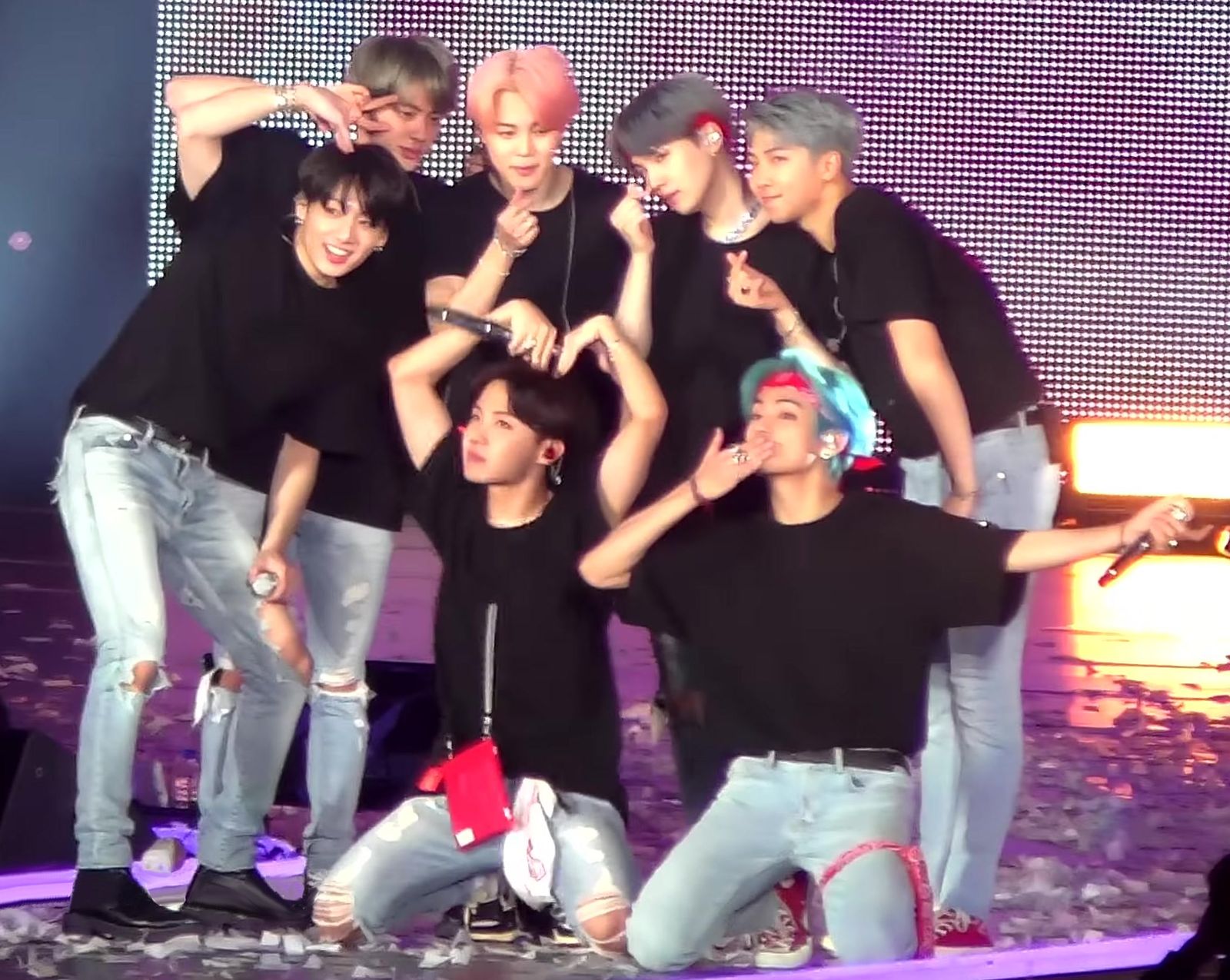
BTS illustrates the full range inside a single group. J-Hope arrived in Seoul as a trainee on Christmas Eve 2010. Subsequently, he spent about two and a half years training. Jimin, the last member to join, trained for only six months after being scouted from an arts high school in Busan. At the extreme short end, EXO’s Baekhyun was reportedly a trainee for just four months before debuting. His case proves that a near-finished product can skip the line.
The key takeaway: there is no standard timeline. Some trainees debut within a year because a group is being assembled around them. Meanwhile, others train for most of their teens and never debut at all.
Survival Shows: When the Audition Goes Public
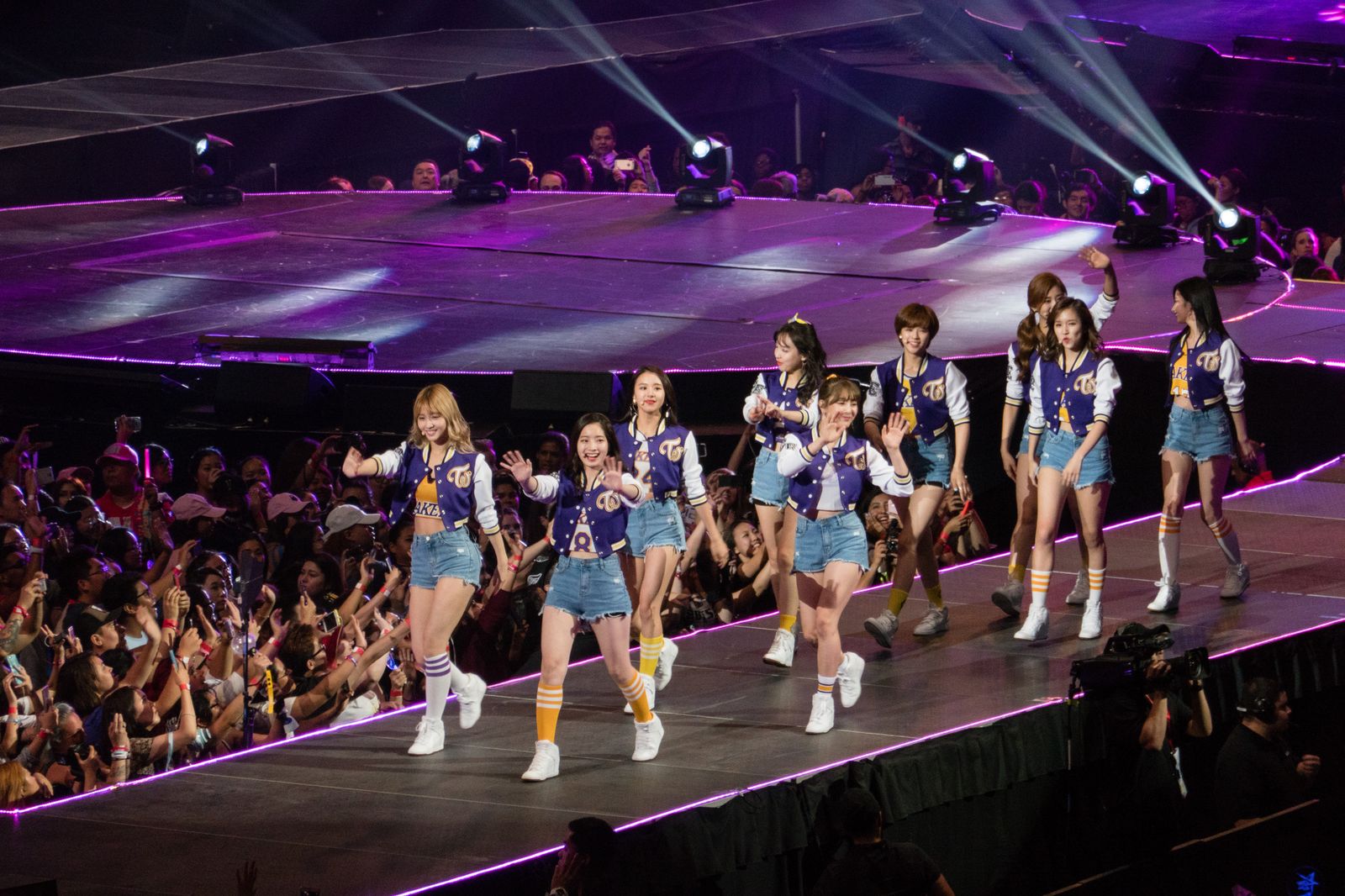
In the 2010s, the K-pop trainee system added a new stage: the televised survival show. Programs like Produce 101, Produce 48, and JYP’s SIXTEEN turned trainee evaluations into entertainment. Audiences voted on which trainees would debut. TWICE was formed through SIXTEEN. The groups I.O.I and IZ*ONE came out of the Produce series.

These shows made the system’s brutal math visible to the public. Reported competition rates for survival programs routinely exceed 10,000 to 1. For contestants, the exposure is a double-edged sword. They gain national fame before debut — but they also face national rejection if they miss the final lineup. Still, even eliminated trainees often gain enough recognition to debut elsewhere. That is why the survival format keeps returning — and why reality TV pay structures fascinate fans.
After Debut — and When Debut Never Comes
Debut is the goal, but it is also the starting line of a new contract. Once a trainee debuts, the seven-year exclusive contract clock begins. It binds the idol to the agency for management, promotions, and revenue sharing. That is why “seven-year curse” became industry slang for the wave of disbandments and departures that hits groups as contracts expire.
For the majority of trainees, though, debut never arrives. Solo singer Maydoni is one example. She trained for a combined eight years at JYP and YG after being scouted at age 11. Despite this, she never debuted at either company, and eventually released music elsewhere. Her story is far more common than the success stories. Most trainees age out, get cut in evaluations, or simply walk away. As a result, they often leave with little to show for years of unpaid work beyond their skills.
In short, the K-pop trainee system is a lottery with a training montage — and the house always collects its investment first.
Why the K-Pop Trainee System Still Works
For all its controversy, the system delivers results nobody can argue with. Of the 20 best-selling albums worldwide in 2025, 12 came from South Korea, according to industry data. Those sales are a direct product of the idol pipeline. The precision choreography, multilingual idols, and relentless release cycles that define K-pop are not accidents. Instead, they are the output of a training machine refined over three decades.
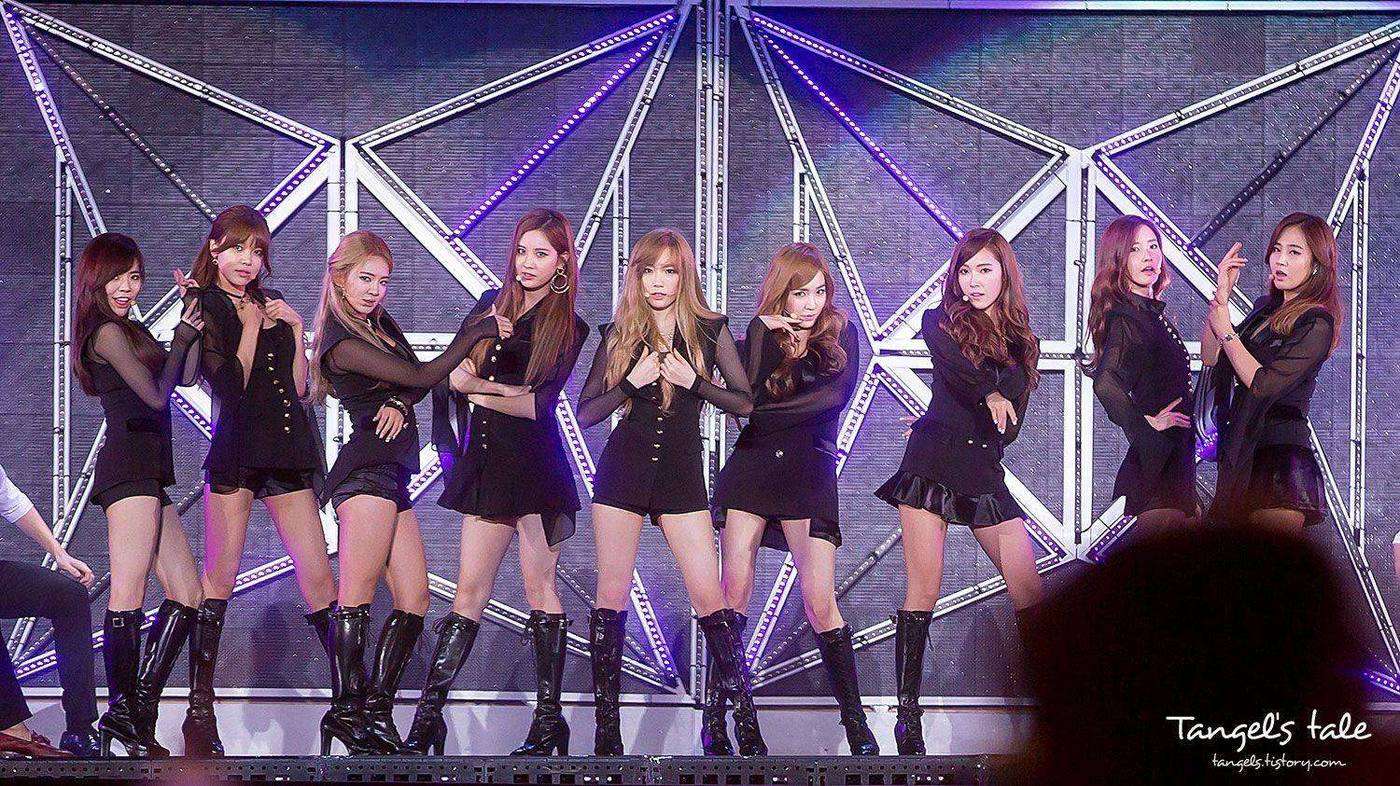
Reform continues as well. The slave-contract era forced legal limits on contract length and penalties. The trainee-debt model has softened at the biggest agencies. Global attention also keeps pressure on the industry’s worst habits — including the BBC’s 2025 series following SM trainees.
The K-pop trainee system, explained in full, is ultimately a trade. It asks for years of youth, freedom, and unpaid labor. In exchange, it offers a shot — never a guarantee — at becoming one of the planet’s most polished performers. Even so, millions of teenagers still line up for that trade every year. After three decades, the machine shows no sign of slowing down.