
Just when Hollywood thought the saga was over, the Paramount Warner Bros merger has taken another dramatic turn. The $110 billion combination — one of the largest media mergers ever — cleared its biggest legal hurdle this month, and then a federal judge hit the brakes days later.
So is the deal done or not? It depends on who you ask. Here is where the fight over Hollywood’s future actually stands.
The Paramount Warner Bros merger cleared a 12-state lawsuit
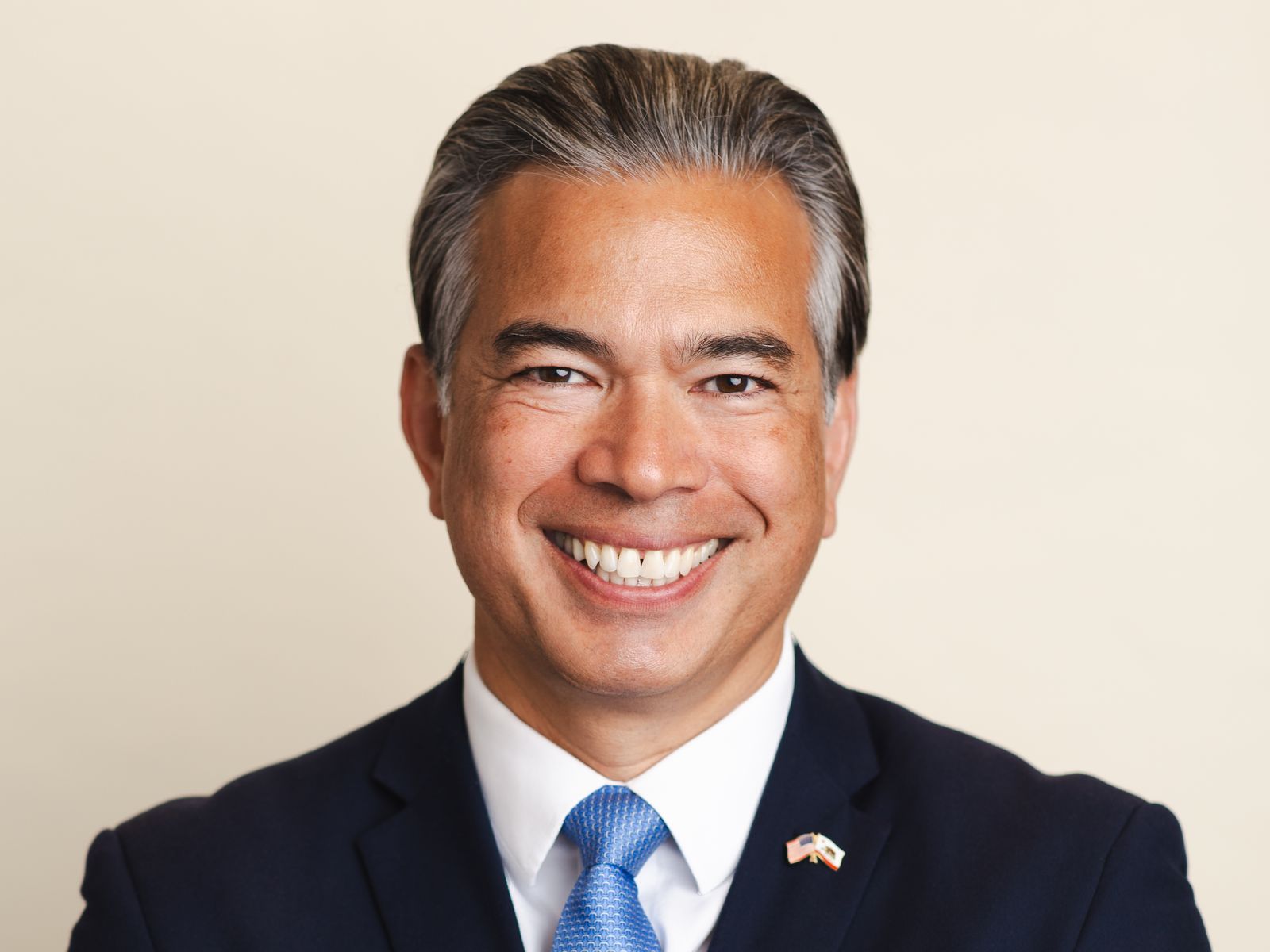
On September 21, Paramount Skydance settled with a coalition of 12 state attorneys general led by California’s Rob Bonta. The deal ended the states’ antitrust lawsuit against the $110 billion acquisition of Warner Bros Discovery. Most observers called it the last major obstacle to closing.
The Writers Guild of America settled its own parallel case the same week. Yet the union kept its criticism on the record. It still believes the deal will hurt the industry, it said. It simply had to face the reality of fighting without government backing.
The merger had already won clearance in 68 jurisdictions, including the U.S. Department of Justice, the European Union, and the United Kingdom. Investors celebrated. Warner Bros Discovery shares surged more than 10% on the settlement news.
For Paramount CEO David Ellison, this was a major win. Paramount accepted temporary film quotas and a news oversight committee. But it avoided the nightmare scenario: a forced sale of cable assets like CNN or its hit film franchises.
Bonta, though, refused to sound like a cheerleader. “The settlement is not a vote of support for this merger,” he said at a Los Angeles press conference. In addition, he called it “a strong antitrust outcome” with court-enforceable guardrails.
What Paramount promised — in plain English
The proposed five-year consent decree is full of enforceable promises:
- 30 theatrical films a year (20 wide releases) for two years, rising to 32 films (21 wide) in years three through five
- At least four independent films each year
- An extra $1.5 billion in U.S. film production over five years
- A $47.5 million fund for workers hit by the merger
- Both studio lots kept open in California for at least five years
- Separate carriage talks for the two companies’ basic cable channels for five years
- An editorial independence board for CNN and CBS News, plus an independent monitor
The penalties have real teeth. Miss the yearly film quotas, and Paramount must sell off Miramax Studios. It would also pay $30 million per missing film into union health and retirement funds.

Warner Bros Discovery CEO David Zaslav told staff he expects the merger to close within days. Photo: unknown photographer, public domain via Wikimedia Commons.
A judge just hit pause on the Paramount Warner Bros merger
Here is the twist: a judge still must approve the settlement. On September 24, U.S. District Judge Araceli Martínez-Olguín declined to sign the consent decree at the first hearing. She said she needed more information first.
The judge ordered both sides to respond by noon Monday, September 28, to a letter from Senator Cory Booker. Booker chairs the Senate Judiciary Subcommittee on Antitrust. He wants an independent public-interest review of the deal. His argument is blunt: the state-level decree is the only legally binding check on the combined company, since the DOJ closed its own probe without demanding concessions.
Meanwhile, a grassroots group called Block the Merger filed a last-minute motion to oppose the decree. The judge gave the group time to make its case. As a result, she said she would rule “in due course” after reviewing the filings.
This delays what executives promised staff. Zaslav reportedly said the deal would close within days. Ellison predicted a closing in about two weeks. Now everyone waits on the court.
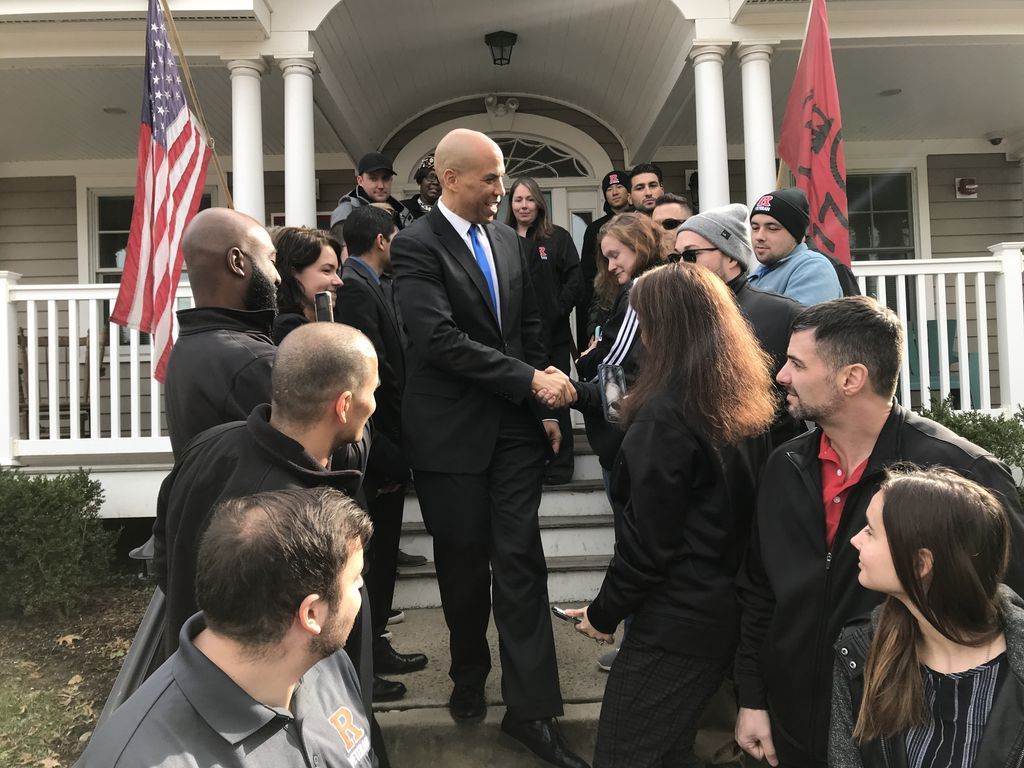
U.S. Senator Cory Booker asked for an independent public-interest review of the deal. Photo: Office of Cory Booker, public domain via Wikimedia Commons.
What the merger means for movie lovers and TV viewers
If it closes, the combined company would unite Paramount’s film and TV studios, CBS, and Paramount+ with Warner Bros.’ studios, HBO, HBO Max, and CNN. One giant would span film, television, streaming, and news.
For viewers, the film quotas are the headline. For example, they promise more movies in theaters, not fewer. Reports also point to a 45-day theatrical window in the deal. For news fans, the editorial independence board for CNN and CBS News aims to separate newsroom decisions from corporate interests. (CNN has been at the center of media politics lately — read our earlier coverage here.)
Critics are not sold. Beyond the WGA, merger opponents warn the deal will cost jobs and raise prices, guardrails or not. Supporters answer that scale is the only way to compete with global streaming giants.
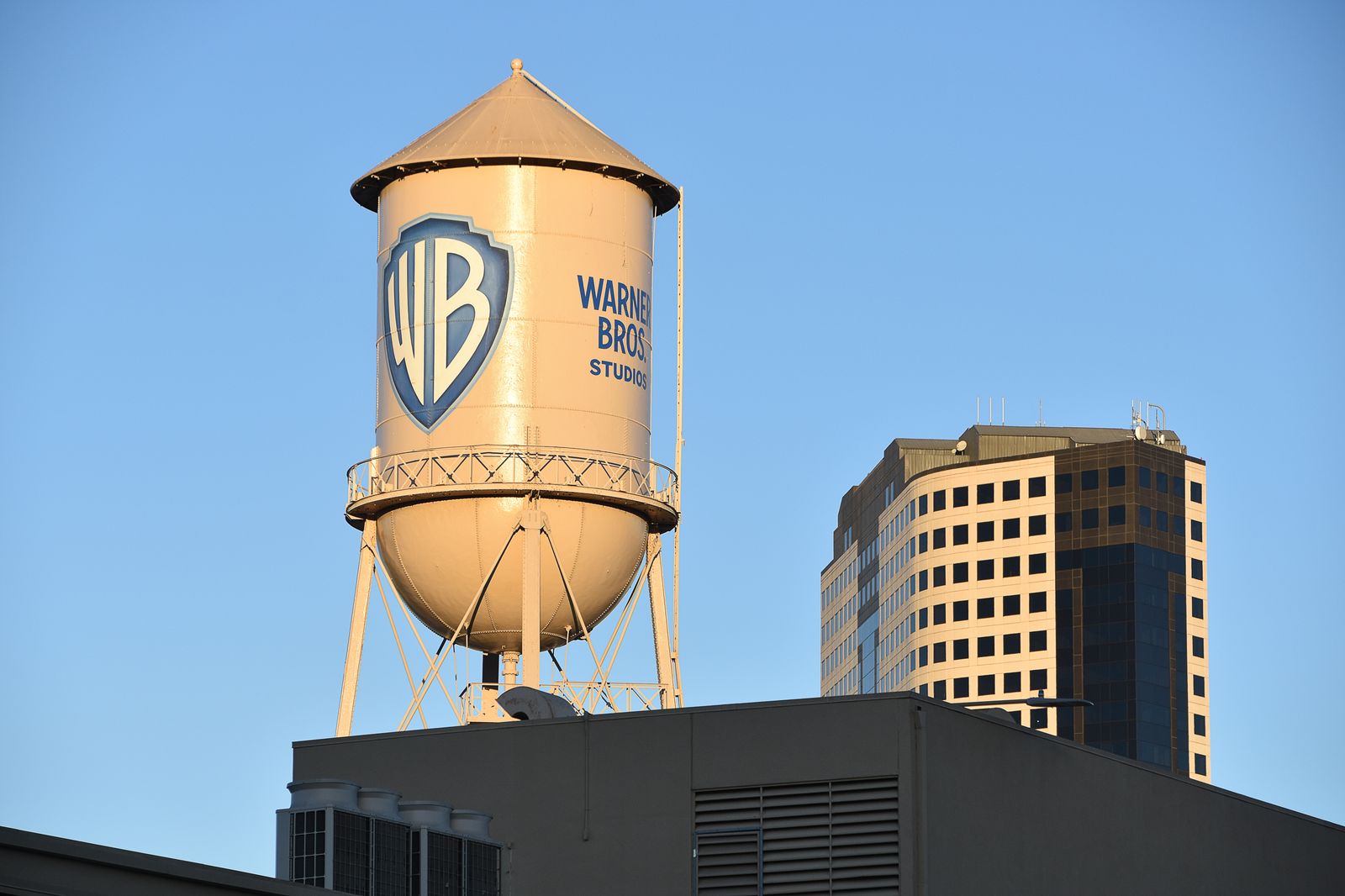
The iconic Warner Bros. water tower in Burbank. Photo: Chris Yarzab, CC BY 2.0, via Wikimedia Commons.
What happens next for the Paramount Warner Bros merger
The clock is ticking loudly. From October 1, Paramount faces a $7 million-a-day fee to Warner Bros Discovery shareholders for every day the deal stays open. The next milestone is the judge’s review after Monday’s filings. If she signs off, Paramount could move to close in early October. If not, Hollywood’s biggest merger story gets another chapter.
Either way, this deal will reshape what you watch — from your local theater to your nightly news. The same corporate family behind tonight’s MTV VMAs on CBS could soon own the studio behind Batman. Stay tuned.