
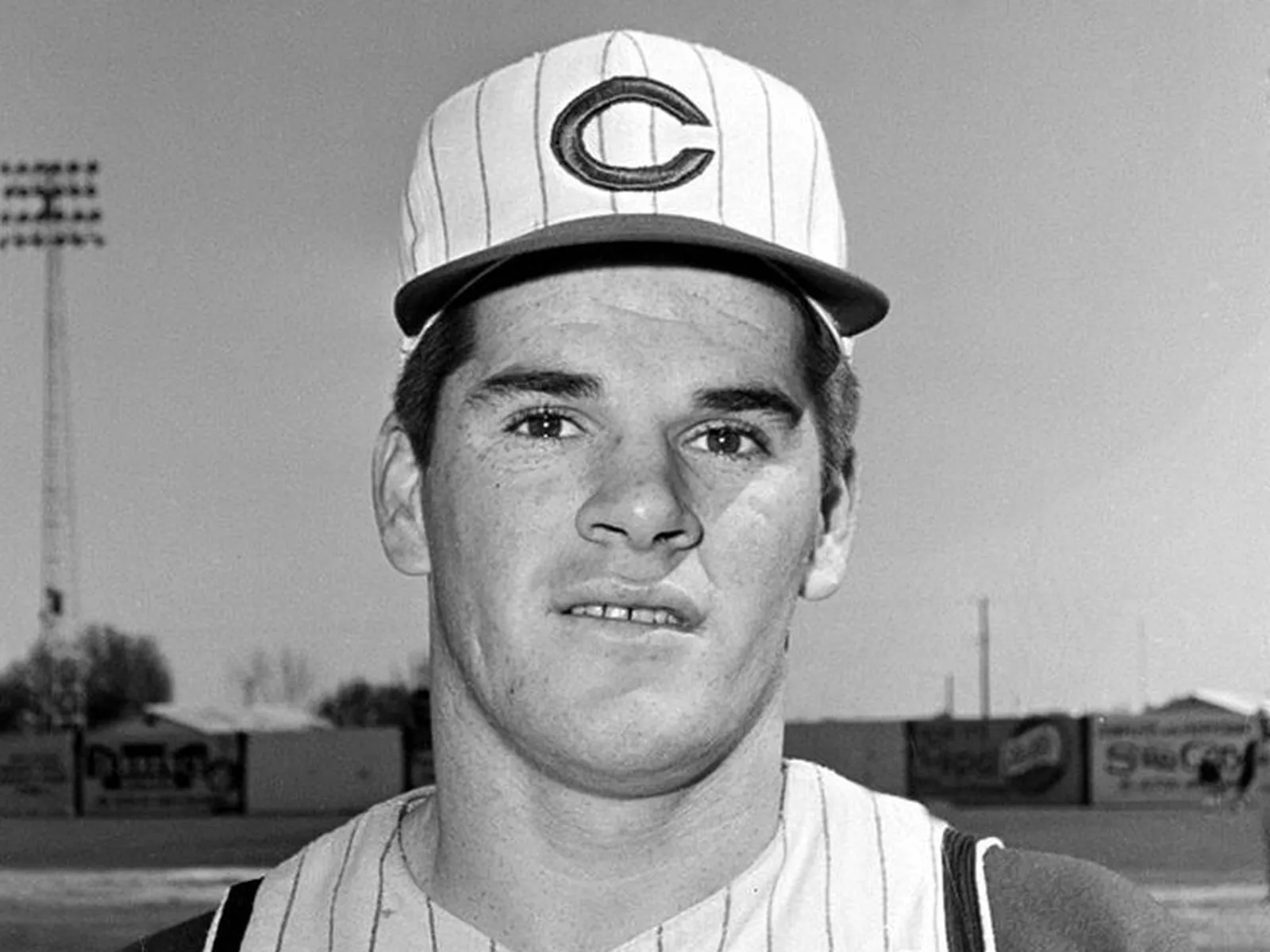
Key Facts
- President Donald Trump announced on November 19, 2026, that he had posthumously pardoned Pete Rose.
- The pardon covers Rose’s 1990 federal tax conviction. It does not cover his lifetime ban from baseball.
- Rose died on September 30, 2024, at age 83. He remains baseball’s all-time hits leader with 4,256 hits.
- MLB reinstated Rose in May 2025. The veterans committee votes on his Hall of Fame case in December 2027, with induction possible in 2028.
Pete Rose pardoned — those three words lit up sports searches across America on Thursday, after President Donald Trump announced a posthumous pardon for baseball’s all-time hits leader. The pardon wipes away Rose’s 1990 federal tax conviction, more than two years after his death at 83. However, it does not put him in the Baseball Hall of Fame. That call still belongs to Cooperstown, and it will not come before December 2027.
Why Was Pete Rose Pardoned?
Trump announced the pardon in a social media post on November 19. “I have just given a Complete and Total Pardon to the Late, Great Pete Rose, a true Baseball SUPERSTAR & LEGEND,” he wrote. The president has championed Rose’s cause for years. In fact, he promised a pardon earlier in 2025 and pressed MLB to restore Rose’s eligibility — a push Manfred later said played a part in the reinstatement.
The pardon covers only the tax case. Rose pleaded guilty in April 1990 to two counts of filing false tax returns. He had failed to report $354,968 in income over four years. As a result, a federal judge sentenced him to five months in prison, a $50,000 fine, and 1,000 hours of community service. He served his time at a minimum-security camp in Illinois and repaid $366,042 to the IRS. The Associated Press reported that Trump called Rose’s hit record one that “will never be broken.”
What Did Pete Rose Do? The Ban That Defined His Afterlife
The tax case was only half the story. In August 1989, Rose agreed to a permanent ban from baseball. An MLB investigation led by John M. Dowd found he had bet on the Cincinnati Reds while playing for and managing his hometown team from 1985 to 1987. Rose denied it for years. Then, in 2004, he admitted in his autobiography that he had bet on baseball.
The ban kept him out of the Hall of Fame. Under a rule adopted in 1991, anyone on baseball’s permanently ineligible list cannot be considered for election. For 35 years, that rule shut the door. Meanwhile, his supporters never stopped arguing that his record on the field should count for more than his mistakes off it.
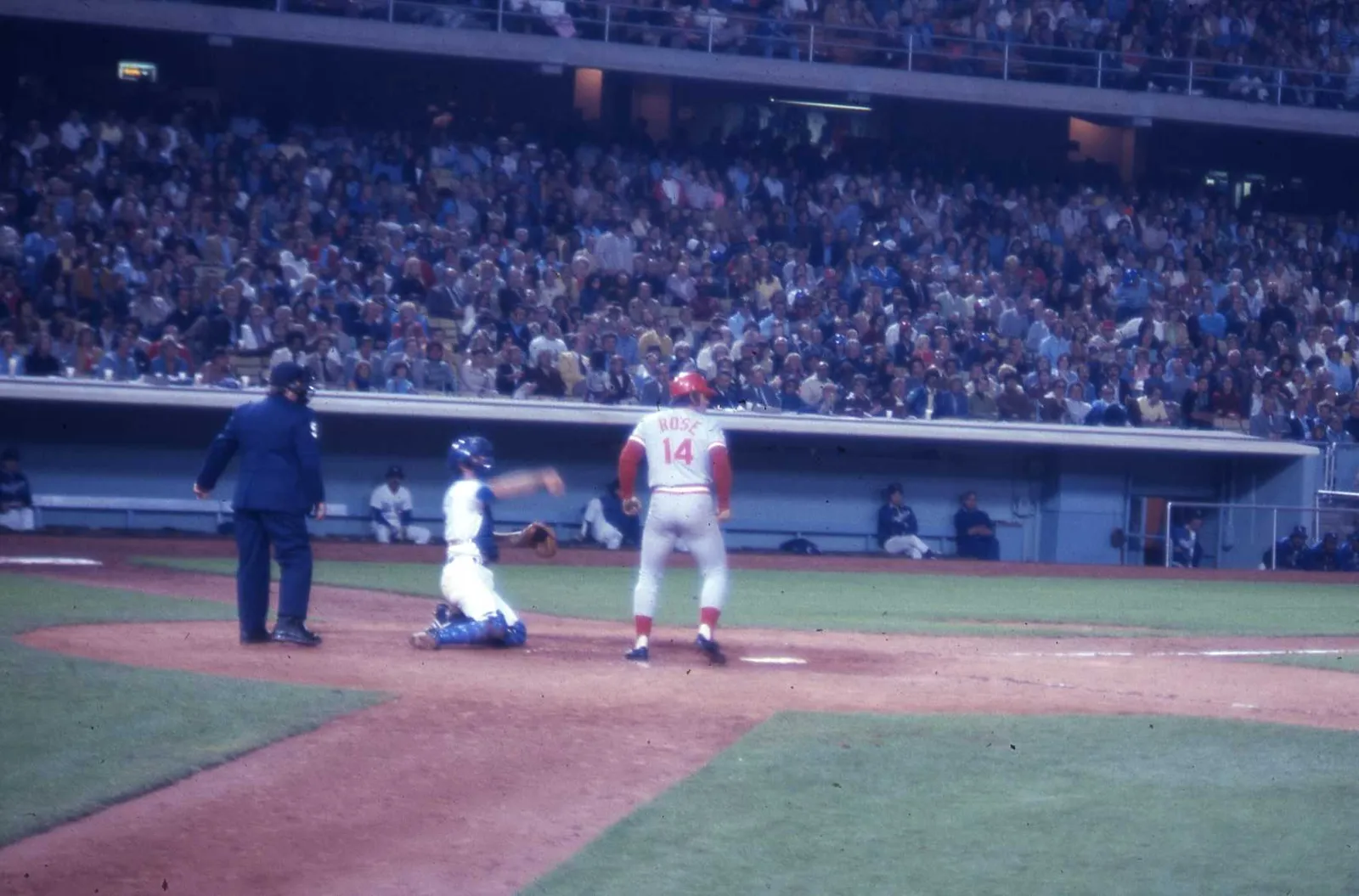
Pete Rose at bat for the Cincinnati Reds in the 1970s. Photo: Wikimedia Commons, CC BY 2.0.
Pete Rose’s Road Back: Ban, Reinstatement, and Pardon
| Date | What happened |
|---|---|
| August 24, 1989 | Rose accepts a permanent ban from baseball. |
| April 20, 1990 | Rose pleads guilty to two counts of filing false tax returns. |
| July 19, 1990 | Sentenced to five months in prison and a $50,000 fine. |
| September 30, 2024 | Rose dies at age 83 in Las Vegas. |
| May 2025 | Manfred removes Rose from the permanently ineligible list. |
| November 19, 2026 | Trump announces a posthumous pardon for Rose’s tax conviction. |
| December 2027 | Veterans committee votes on Rose; induction could follow in 2028. |
Does the Pardon Put Pete Rose in the Hall of Fame?
Short answer: no. A presidential pardon clears a federal conviction. It has no power over baseball. The Hall of Fame is a private museum, and MLB controls eligibility. So the pardon changes Rose’s legal record, not his Cooperstown status.
That path opened in May 2025, when Manfred ruled that permanently ineligible players regain eligibility when they die. The decision covered 17 people, including Shoeless Joe Jackson. As a result, Rose’s case will go before the Hall’s veterans committee in December 2027. If the committee votes him in, the earliest he could be inducted is 2028. Reuters called the pardon the latest step in the effort to rehabilitate the reputation of baseball’s hits leader.
What Happens Next for Pete Rose’s Hall of Fame Case
The veterans committee — a small panel of Hall of Famers, executives, and historians — will debate a question baseball has argued about for 35 years: do 4,256 hits outweigh a gambling ban? Supporters point to the numbers and the fact that Rose has paid every penalty the law and the game imposed. Critics say the ban protected the sport’s integrity. A pardon for tax crimes does not change what he did as a manager. Either way, December 2027 will be the first time anyone in Cooperstown has formally voted on Pete Rose.
Pete Rose’s Career by the Numbers
In a sport defined by numbers, Rose’s totals still tower over every hitter who came after him — the kind of dominance usually reserved for the greatest tennis players of all time. Here is the record that made him a legend:
| Stat | Total |
|---|---|
| Career hits | 4,256 — MLB record |
| Games played | 3,562 — MLB record |
| At-bats | 14,053 — MLB record |
| All-Star selections | 17 |
| Batting titles | 3 |
| World Series titles | 3 (1975, 1976, 1980) |
| League MVP | 1973 |
| World Series MVP | 1975 |
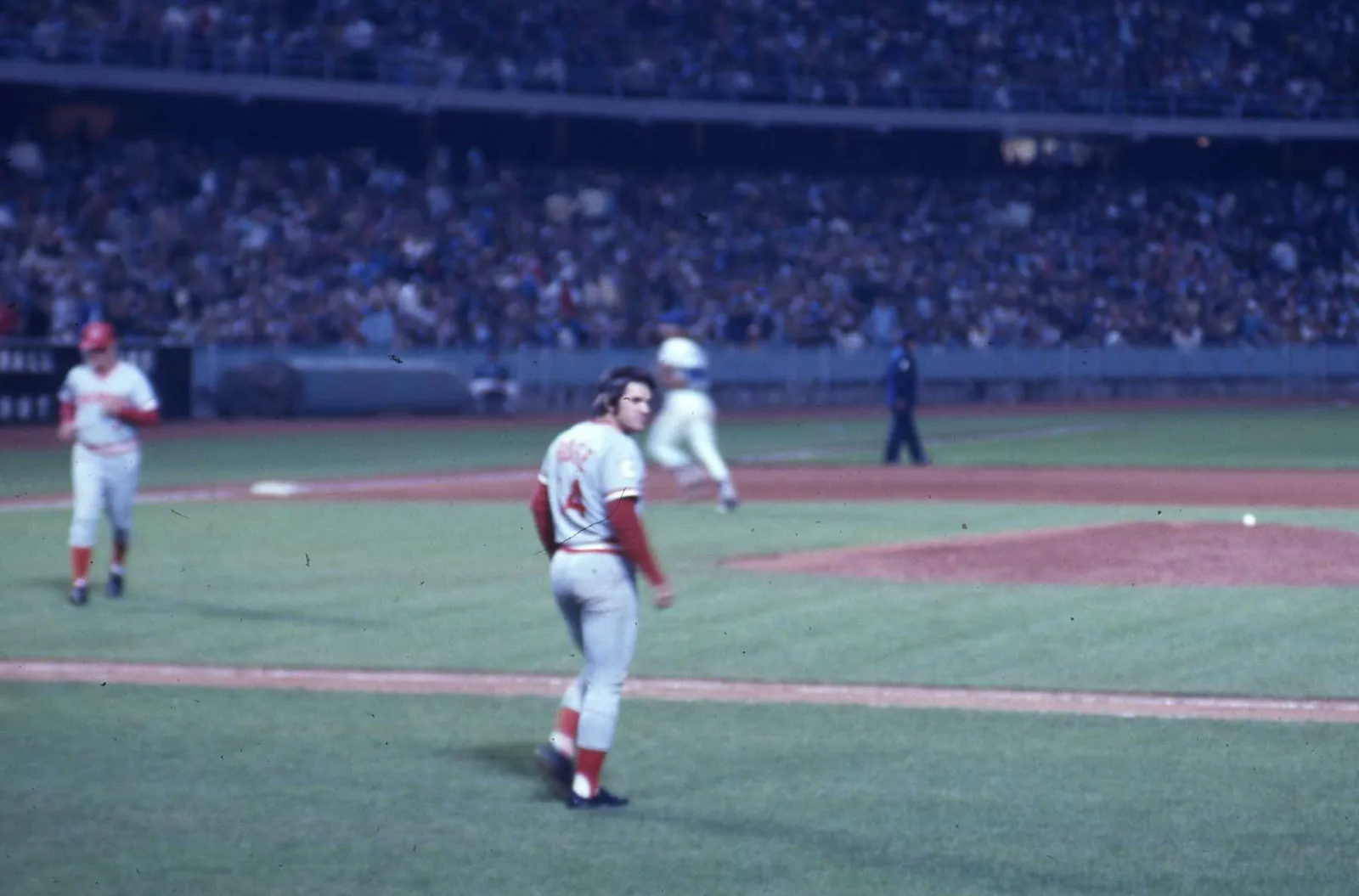
Pete Rose walking onto the field at Dodger Stadium in 1976. Photo: Wikimedia Commons, CC BY 2.0.
For example, Taurean Prince made news for talking openly about his faith and fasting during Ramadan. But few athletes have carried a debate as long as Rose, whose case has now outlived the man himself.
For now, the pardon closes the legal chapter of Pete Rose’s story. The baseball chapter stays open until December 2027, when a small committee in Cooperstown decides whether the Hit King finally gets his plaque. Until then, the numbers speak for themselves. Nobody has more hits. Nobody played more games. And nobody in baseball history has waited longer for forgiveness. As with every great we lose, the debate over Rose’s legacy will run for years — just as it has for the stars we said goodbye to in 2026.
Sources
- Associated Press via ESPN (November 20, 2026)
- Reuters (November 19, 2026)
- ESPN 1530 (November 20, 2026)